Nayib Bukele Dominates El Salvador's Presidential Election with 87.8% Approval
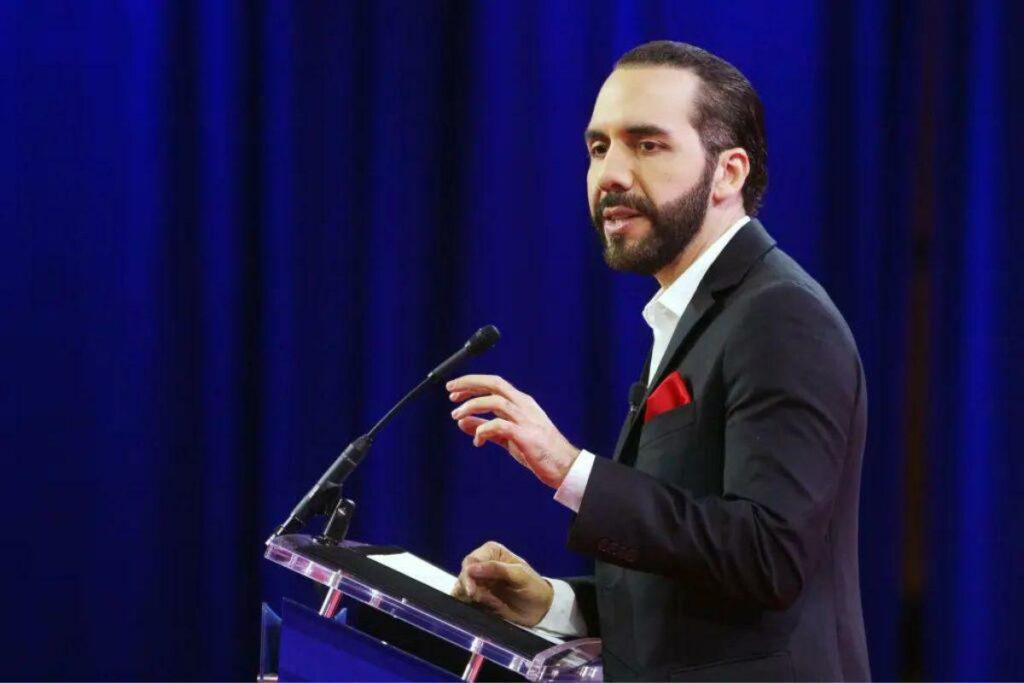
Nayib Bukele has secured a commanding victory in El Salvador's presidential elections, boasting an impressive 87.8% approval rating. This overwhelming public support significantly eclipses that of the Salvadoran opposition, highlighting Bukele's strong mandate. The election results underscore his deep popularity among the electorate, positioning him as a dominant figure in the country's political landscape. His high approval rating suggests a significant level of trust and satisfaction with his leadership and policies. The opposition faces a substantial challenge in regaining political traction against such a popular incumbent. Bukele's victory is a clear indication of the electorate's preference for his governance style and direction for the nation. The figures demonstrate a stark contrast between Bukele's support and that of his competitors. This outcome sets a strong precedent for future political contests in El Salvador.
Nayib Bukele's substantial electoral victory, evidenced by an 87.8% approval rating, reflects a powerful alignment between his governance and public sentiment in El Salvador. This outcome suggests that his policy initiatives and communication strategies have resonated deeply with the electorate, potentially overshadowing traditional political structures and opposition platforms. From a systems perspective, such a high concentration of support raises questions about the long-term sustainability of democratic pluralism and the robustness of institutional checks and balances. Future governance will likely be shaped by how effectively Bukele navigates the challenges of governing with such a strong mandate, balancing popular expectations with the complexities of national development and international relations in the coming decade.
AI-generated to prompt reflection — not editorial opinion, not advice, not a statement of fact. How this works.