Nazca Lines: A Millennial Enigma Shrouded in Mystery and Tragedy
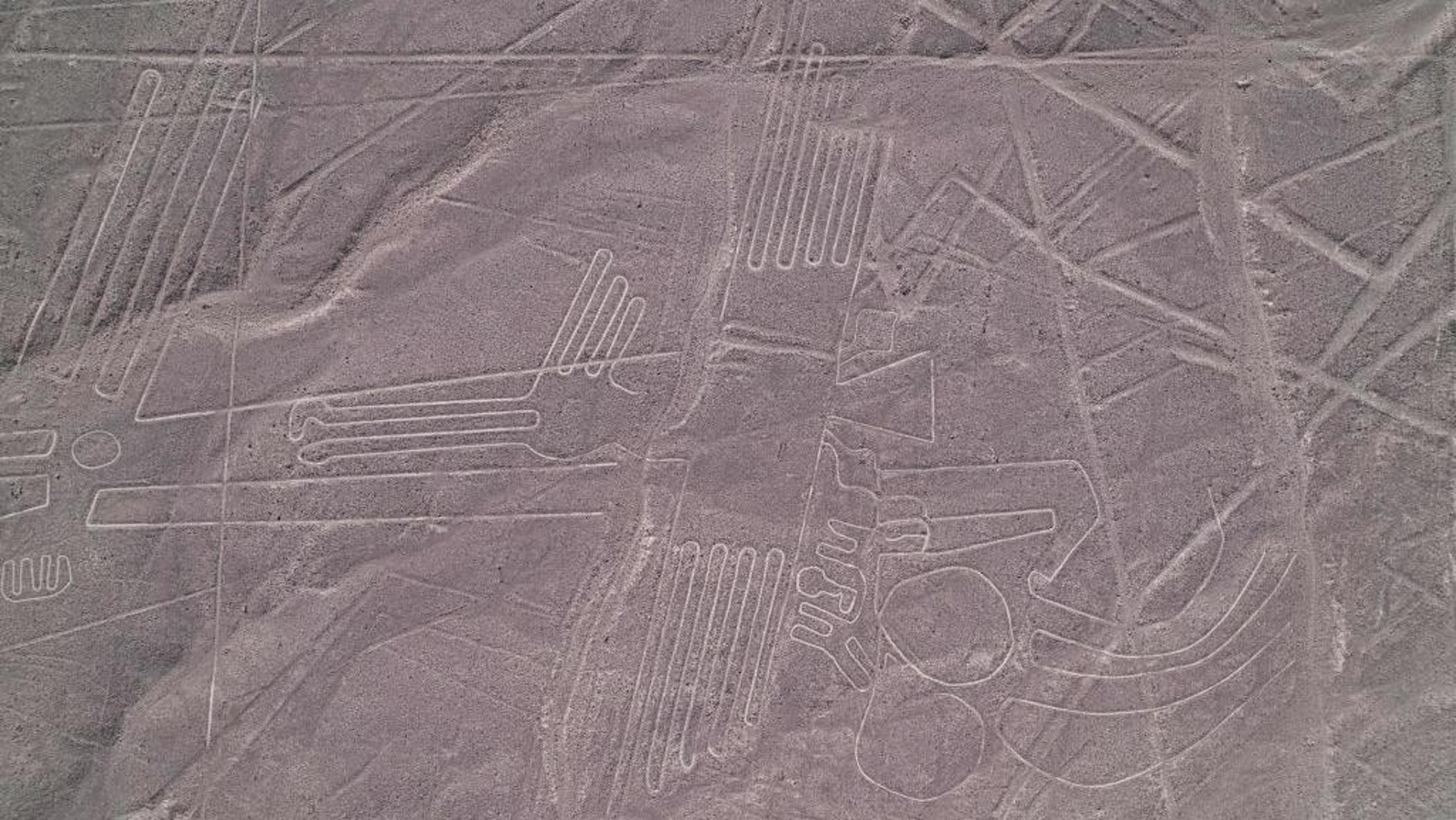
The Nazca Lines, an archaeological site recognized as a UNESCO World Heritage site, attract tens of thousands of tourists annually. These ancient geoglyphs in Peru continue to puzzle researchers with their origins and purpose. However, the area has also been the site of significant danger, particularly for air travel. Since 2010 alone, at least 13 aviation accidents have occurred in the vicinity. These incidents have been attributed to adverse weather conditions and mechanical failures. The juxtaposition of historical wonder and modern peril highlights the complex relationship between tourism, heritage preservation, and safety in remote archaeological zones.
The Nazca Lines represent a significant cultural heritage site, drawing considerable tourism revenue and global fascination. However, the recurring aviation incidents underscore a critical tension between accessibility for tourism and the inherent risks associated with operating in a region prone to unpredictable weather patterns and potential mechanical challenges. This situation prompts a review of safety protocols and infrastructure for aerial tours, considering the long-term sustainability of both the heritage site and the tourism industry. Future management strategies may need to balance the desire for visitor experience with robust risk mitigation to prevent further tragedies and ensure the site's preservation for generations to come.
AI-generated to prompt reflection — not editorial opinion, not advice, not a statement of fact. How this works.