Nazi SA and SS Personnel Files Now Publicly Accessible After Decades-Long Effort
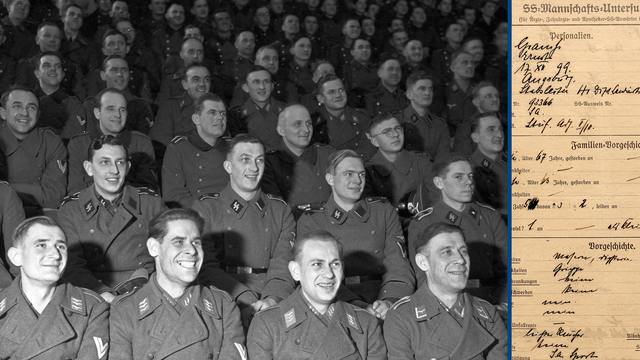
German newspaper Die ZEIT has made millions of personnel files from the SA (Sturmabteilung) and SS (Schutzstaffel) publicly available, marking the culmination of a decades-long effort to bring these historical documents to light. This release represents a significant corrective to the historical record of the Nazi era, making previously inaccessible information available to a wider audience. The availability of these files is expected to facilitate deeper research into the individuals who were part of these notorious paramilitary organizations. The process of gaining access to these documents has been protracted, highlighting the challenges in declassifying and disseminating sensitive historical archives. The publication aims to provide a more comprehensive understanding of the perpetrators and their roles within the Nazi regime. This initiative is crucial for historical scholarship and public memory, allowing for a more thorough examination of Nazi Germany's apparatus. The files offer insights into the backgrounds, careers, and affiliations of SA and SS members. Their release is a testament to the persistent work of historians and institutions seeking to ensure accountability and transparency in historical narratives. The accessibility of these records is a vital step in confronting and understanding the complexities of Nazi history.
The release of these extensive SA and SS personnel files, after a protracted struggle, offers a crucial opportunity to move beyond generalized narratives of Nazi perpetrators. By providing granular data on individuals, researchers can now analyze the socioeconomic backgrounds, career trajectories, and ideological motivations of those involved in Nazi atrocities with greater precision. This shift from broad strokes to detailed examination may illuminate systemic recruitment patterns and the diffusion of responsibility within these organizations. From a future-oriented perspective, the accessibility of such archives is vital for developing AI-driven historical analysis tools capable of identifying subtle patterns and connections previously obscured by sheer volume, thereby enhancing our capacity to learn from historical events and prevent their recurrence.
AI-generated to prompt reflection — not editorial opinion, not advice, not a statement of fact. How this works.