NCP Leader Criticizes Power Minister Over Load Shedding in Sirajganj
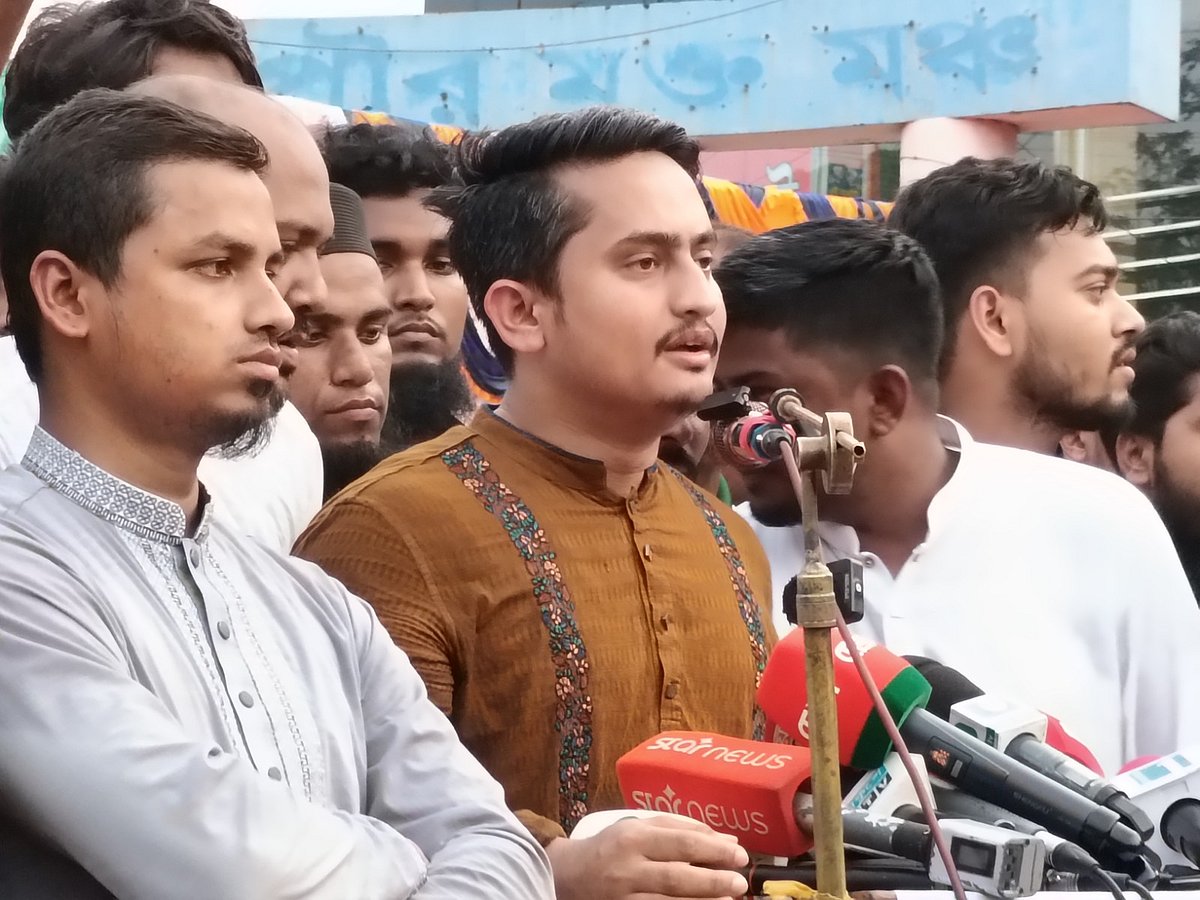
Sargis Alam, chief organizer (North) of the National Citizen Party (NCP), has criticized the government's claims about the absence of a power crisis, stating that load shedding is a reality in various parts of the country. Speaking at the NCP's 'July Awakening to Build the Nation' march in Ullapara, Sirajganj, Alam directly addressed the Power Minister, asserting that residents of Sirajganj, the minister's birthplace, can attest to the ongoing load shedding. He emphasized the public's desire for tangible actions rather than mere rhetoric, urging for a political system based on good versus bad, and a united front against corruption and crime. Alam also highlighted the issue of youth unemployment, warning that unfulfilled employment promises could lead to further frustration and unrest among young people. He called for a shift in political discourse from partisan politics to addressing fundamental issues and listening to public concerns at the grassroots level. Regarding local government elections, Alam cautioned against administrative or political interference, urging citizens to remain vigilant to protect their votes and calling for police neutrality to earn public trust. The event also served to introduce NCP candidates for the upcoming Ullapara local government elections: Mosharraf Adnan for Upazila Chairman and Abdullah Al Mamun for Mayor. The NCP is conducting a month-long nationwide march across 100 Upazilas and municipalities to advocate for referendums, job creation, and border security.
The NCP leader's critique of load shedding and unemployment highlights systemic governance challenges in meeting public service delivery and economic expectations. The call for a politics based on 'good versus bad' rather than partisan affiliation suggests a public desire for accountability and effective policy implementation. The emphasis on grassroots engagement and electoral integrity points to a need for stronger democratic processes and trust in institutions. Looking ahead, the intersection of energy infrastructure, economic development, and youth employment will be critical determinants of social stability and national progress in the coming decade. Addressing these issues requires transparent policy, robust infrastructure investment, and inclusive economic strategies to foster sustainable growth and prevent potential social unrest.
AI-generated to prompt reflection — not editorial opinion, not advice, not a statement of fact. How this works.