Neanderthal DNA Inheritance Pattern, Not 'Love Story,' Says Study
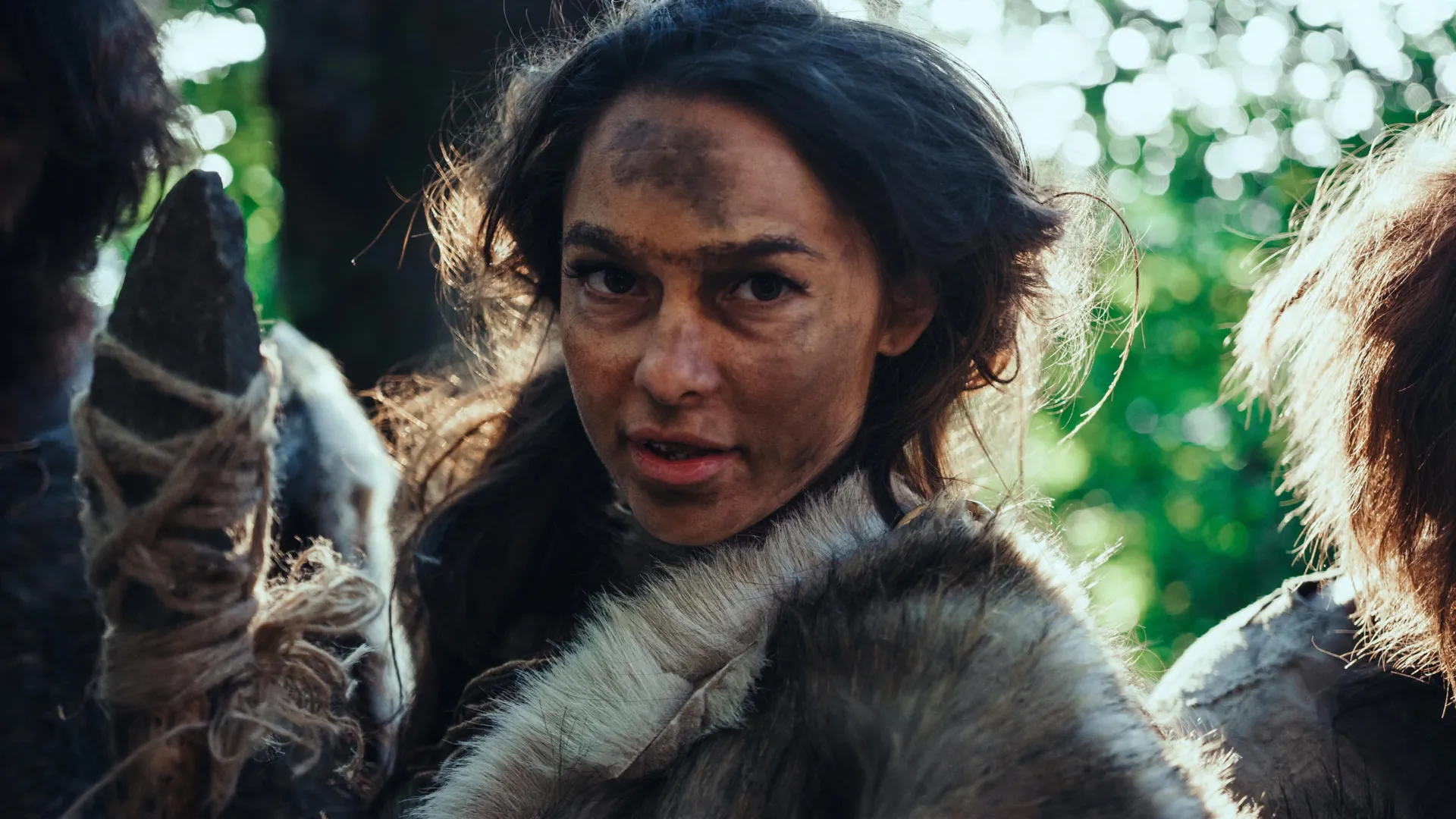
Recent claims suggesting Neanderthal men preferred Homo sapiens women are not supported by the underlying genetic research. The DNA evidence actually indicates an uneven pattern of inheritance, which could be attributed to various factors beyond simple romantic attraction. These factors include biological influences, migration patterns, or the social structures of prehistoric communities. Furthermore, archaeological findings suggest that Neanderthal societies might have had traditions involving women moving between different groups. This tradition would offer more complex explanations for the observed genetic patterns than a narrative of prehistoric romance. The research highlights that while interbreeding occurred, the reasons behind the specific DNA inheritance patterns are multifaceted and not reducible to a simple 'love story.'
The interpretation of ancient DNA evidence can be susceptible to anthropomorphic framing, potentially oversimplifying complex demographic and social processes. While genetic data reveals interbreeding events between Neanderthals and Homo sapiens, attributing these solely to romantic preference overlooks significant biological and sociological drivers. Factors such as differing group sizes, migration strategies, and established social norms regarding exogamy (marrying outside one's group) could more plausibly explain observed patterns of genetic inheritance. Future research should focus on integrating genomic data with broader archaeological and paleoenvironmental contexts to build a more nuanced understanding of these ancient interactions, moving beyond speculative narratives to robust scientific inference.
AI-generated to prompt reflection — not editorial opinion, not advice, not a statement of fact. How this works.