Neanderthals and Humans May Have Shared Culture 59,000 Years Ago in Turkey
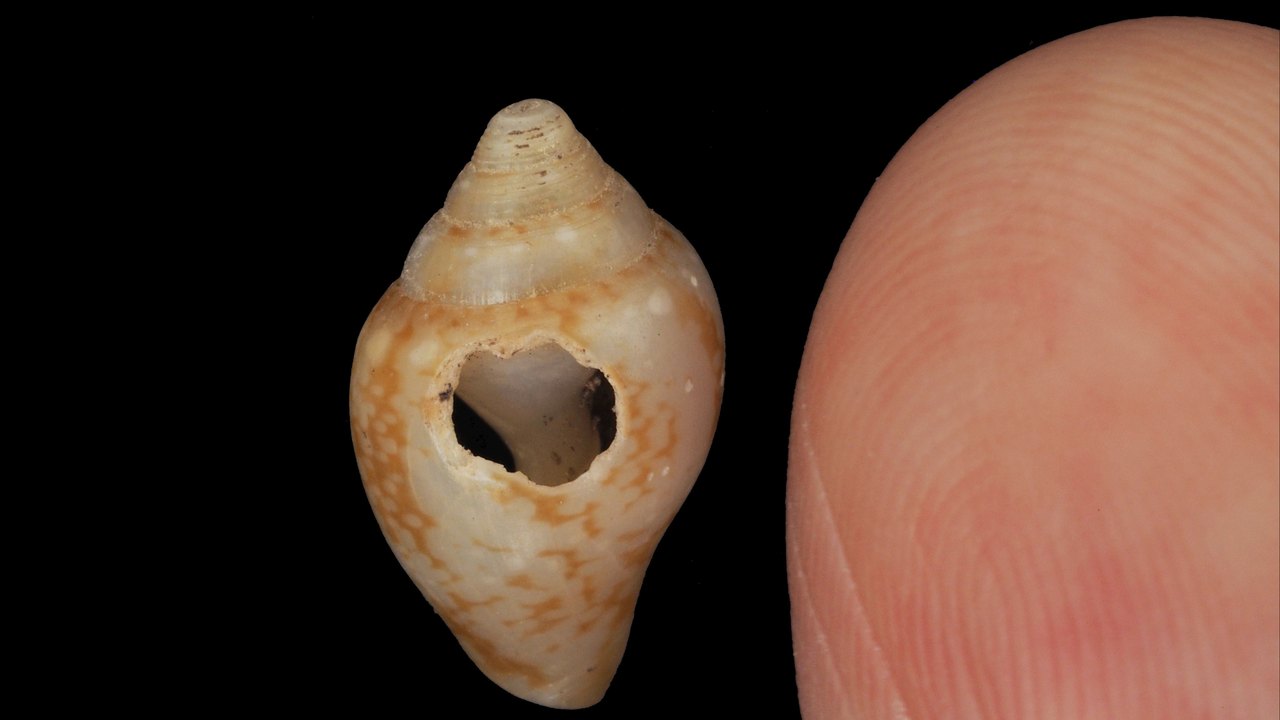
A recent study suggests that Neanderthals and early modern humans may have shared cultural practices as far back as 59,000 years ago in Turkey. Evidence comes from fossils, stone tools, and seashells discovered at a specific site. Researchers found that both Neanderthals and the Homo sapiens who arrived later employed similar hunting strategies. Furthermore, both groups exhibited comparable symbolic traditions. Notably, this cultural convergence appears to have occurred without direct overlap at the archaeological site itself. This implies that information and cultural knowledge could have been transmitted between the two hominin groups. The findings challenge previous assumptions about the distinctiveness of Neanderthal and early human cultures.
This discovery prompts a re-evaluation of hominin cultural transmission and the cognitive capabilities of Neanderthals. The evidence suggests that cultural diffusion, rather than solely independent innovation, may have played a significant role in the development of early human societies. Understanding the mechanisms of this potential information sharing, whether through observation, indirect contact, or a shared cognitive framework, is crucial. This could reshape our understanding of human evolution, highlighting a more interconnected past and the potential for complex social learning among different hominin species. The implications extend to how we define and recognize culture in prehistoric contexts, potentially broadening our criteria for identifying symbolic behavior and shared knowledge systems.
AI-generated to prompt reflection — not editorial opinion, not advice, not a statement of fact. How this works.