Near Vasylkivka, enemy deploys delayed-action bombs for the first time
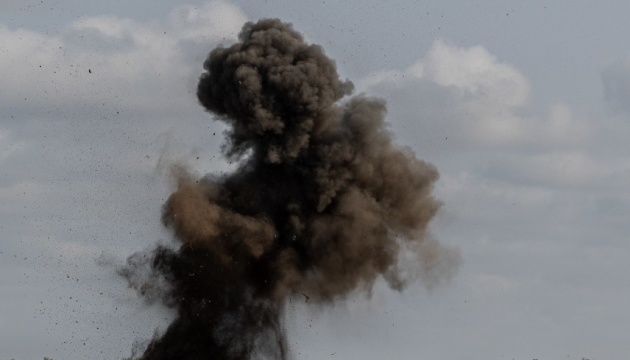
Near Vasylkivka in the Dnipropetrovsk region, the enemy has reportedly used delayed-action aerial bombs for the first time. This information was shared by a volunteer. The specific type of bombs and the exact date of their deployment were not detailed in the provided information. The use of such munitions could indicate a shift in tactics by the opposing forces. Delayed-action bombs are designed to detonate after a predetermined period, potentially increasing the risk to personnel and infrastructure by prolonging the threat. This development is significant as it marks a new method of warfare being employed in the conflict zone. Further details regarding the impact and effectiveness of these bombs are awaited. The volunteer's report highlights the ongoing evolution of military strategies and the introduction of new weapon systems.
The reported deployment of delayed-action aerial bombs near Vasylkivka represents a potential escalation in the conflict's tactical landscape. Such munitions are designed to extend the period of danger, impacting post-strike recovery and demining efforts. From a strategic perspective, this could be an attempt to disrupt logistical routes or prolong operational uncertainty for opposing forces. The long-term implications involve increased risks to civilian populations and humanitarian aid workers operating in affected areas, necessitating enhanced safety protocols and specialized ordnance disposal capabilities. This development underscores the dynamic nature of modern warfare and the continuous adaptation of weapon systems by combatants.
AI-generated to prompt reflection — not editorial opinion, not advice, not a statement of fact. How this works.