Nearly 1,000-Year-Old Bayeux Tapestry Arrives in UK for First Time
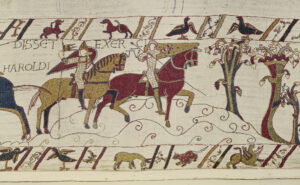
The Bayeux Tapestry, a globally significant medieval artwork, has arrived in the United Kingdom for the first time in nearly a millennium. The approximately 70-meter-long tapestry will be displayed at the British Museum in London starting in September. This marks the first time the artifact has left France in its long history. Its transport from northern France was conducted under heavy police escort, highlighting the immense value and security concerns associated with the piece. The tapestry, a crucial historical document depicting the Norman conquest of England in 1066, is considered a masterpiece of Romanesque art. Its journey to Britain is a landmark cultural event, facilitating unprecedented public access to this near-thousand-year-old masterpiece. The British Museum has prepared a special display for its arrival, ensuring its preservation and presentation to a wide audience.
The arrival of the Bayeux Tapestry in the UK represents a significant cultural exchange, offering a rare opportunity for public engagement with a pivotal historical artifact. This event underscores the enduring global fascination with historical narratives and the power of tangible heritage to connect past and present. From a systemic perspective, such high-profile loans necessitate robust international cooperation in cultural diplomacy, security, and conservation, testing the protocols that govern the movement of priceless artifacts. The logistical and security measures required highlight the inherent risks and responsibilities involved in preserving and sharing cultural patrimony across borders. This exhibition could also influence future museum strategies regarding international loans and the accessibility of unique historical items, prompting discussions on the balance between preservation, public access, and the potential risks of transit in an increasingly interconnected world.
AI-generated to prompt reflection — not editorial opinion, not advice, not a statement of fact. How this works.