Nearly 1,500 Centenarians Eligible to Vote in Brazil's Rio Grande do Norte in 2026
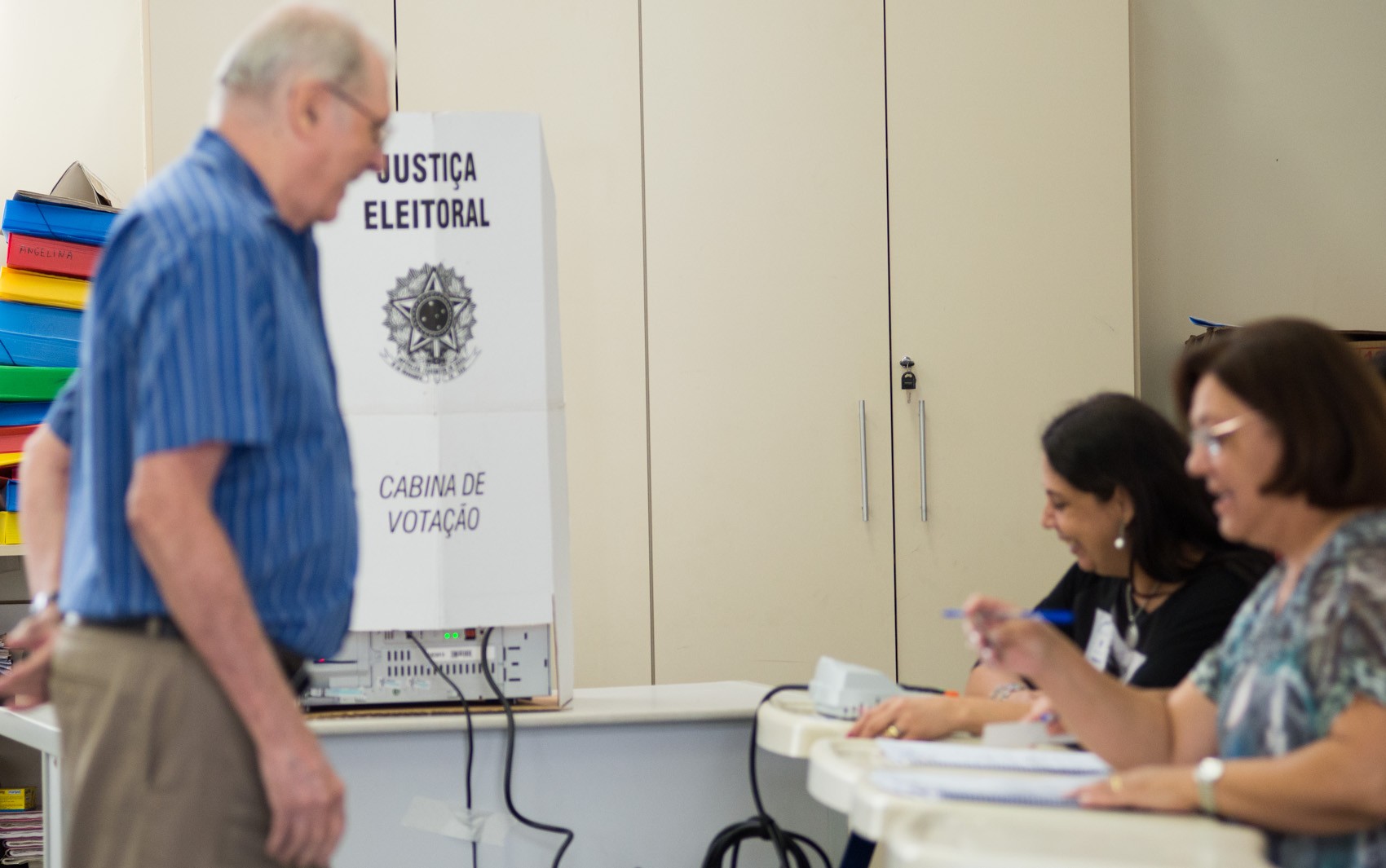
In Brazil's northeastern state of Rio Grande do Norte, the Superior Electoral Court (TSE) reports that 1,484 centenarians are eligible to vote in the 2026 general elections. These voters are part of an increasingly aged electorate in the state, which also includes 16,653 individuals between 90 and 99 years old, bringing the total number of voters aged 90 and above to 18,137. Although voting is optional for citizens aged 70 and older, all these centenarian and near-centenarian voters remain eligible to participate in selecting the president, governors, senators, and federal and state deputies. The state's overall electorate shows a significant aging trend, with 596,621 voters aged 60 and over, representing approximately 22% of the total registered voters. This demographic includes 183,854 voters aged 60-64, 137,799 aged 65-69, and 101,884 aged 70-74. The total number of eligible voters in Rio Grande do Norte for the 2026 elections is projected to be 2,660,565, marking an increase of 105,838 new voters since the 2022 elections, a growth rate of 4.1% that surpasses the national average. The largest voter demographic in the state falls within the 40-44 age bracket, comprising 272,476 individuals, or 10.24% of the electorate. Younger voters aged 16 and 17, for whom voting is also optional, number 37,243 in the state.
The data highlights a demographic shift within Brazil's electorate, particularly in Rio Grande do Norte, with a notable increase in older voters, including centenarians. This trend, mirrored nationally, suggests evolving societal structures and healthcare advancements contributing to longevity. From a governance perspective, electoral systems must adapt to ensure accessibility and representation for all age groups, regardless of physical mobility or optional voting status. The increasing proportion of older voters may influence policy priorities, potentially shifting focus towards healthcare, social security, and age-related infrastructure. Furthermore, the growth in the overall electorate, exceeding the national average, indicates demographic dynamism within the state, presenting both opportunities and challenges for political engagement and resource allocation in the coming electoral cycles.
AI-generated to prompt reflection — not editorial opinion, not advice, not a statement of fact. How this works.