Nearly 10,000 Customers Still Without Power After Storm in Costa Verde
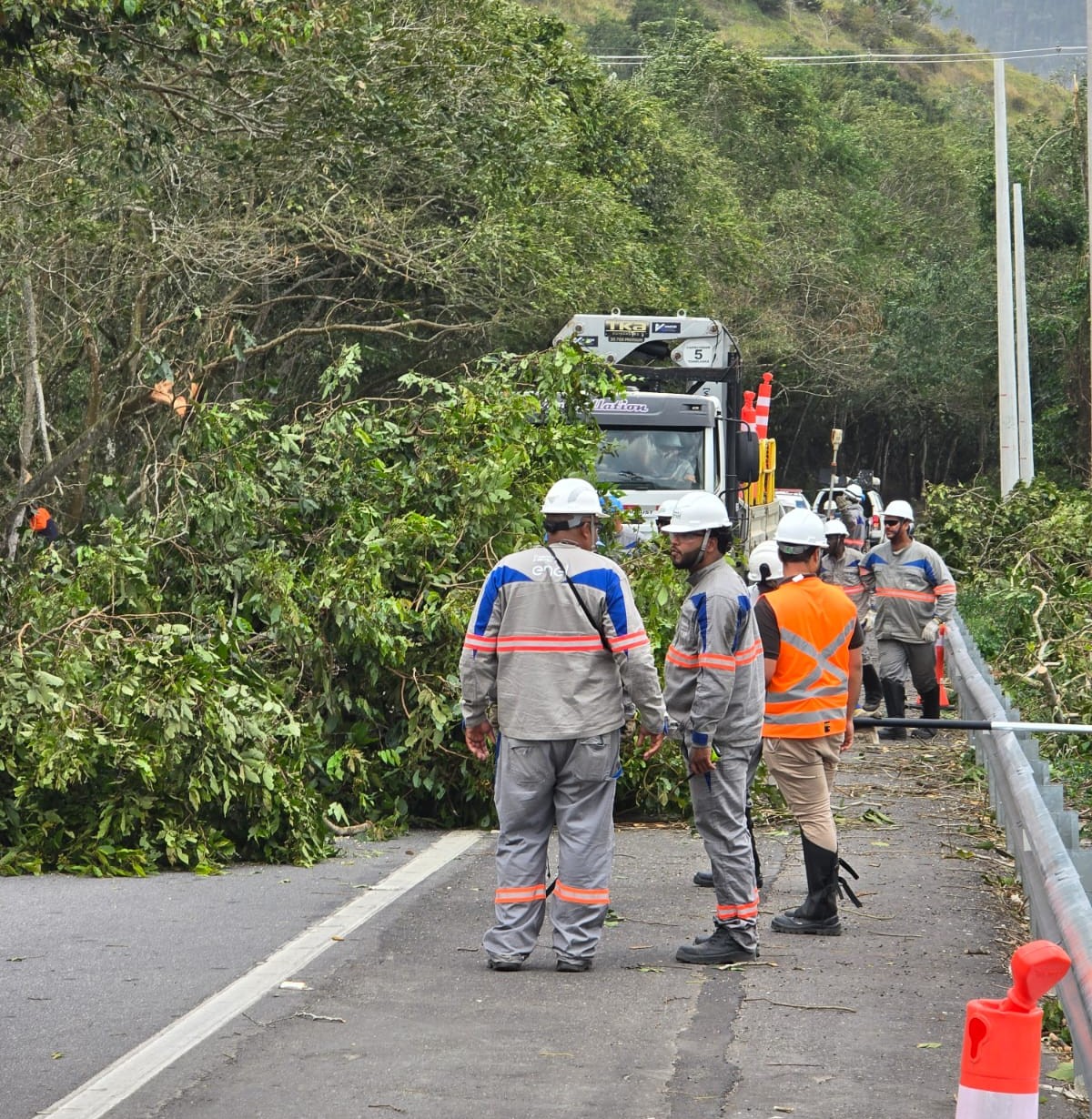
As of Thursday, May 30th, approximately 10,000 customers in the Costa Verde region of Rio de Janeiro remain without electricity following a severe windstorm on Wednesday afternoon, May 29th. The power outages are a direct consequence of strong winds that battered the area, causing widespread disruption. Enel, the energy provider, has deployed additional crews, tripling its workforce in the field, to restore power. The company reported that fallen trees on power lines were the primary cause of the damage. Angra dos Reis is experiencing the largest number of affected customers, with 5,243, followed by Paraty with 4,756. Other affected municipalities include Três Rios (1,992), Resende (297), Itatiaia (124), and Porto Real (2). Across the entire state, 138,000 units were still without power on Thursday morning. Wind gusts in Angra dos Reis reached up to 104 km/h, according to Civil Defense, attributed to the convergence of two cold fronts with a warm air mass. The storm caused trees to fall, blocking sections of the BR-101 highway and other local roads. In Paraty's Tarituba neighborhood, a fisherman is missing, and rescue operations are underway. On Ilha Grande, five individuals received medical attention in Vila do Abraão due to storm-related incidents, including two who were treated after a boat capsized. All patients were released, and no fatalities have been reported. Civil Defense teams are actively clearing roads and ensuring access routes are unobstructed.
The severe weather event in Costa Verde highlights the vulnerability of regional infrastructure to extreme meteorological phenomena, exacerbated by the interaction of weather fronts. The significant number of power outages and infrastructure damage, including blocked roadways and a missing person, underscore the need for enhanced resilience planning. While Enel has mobilized additional resources, the scale of the disruption suggests a potential need for longer-term investments in grid hardening and vegetation management to mitigate future impacts. The incident also points to the importance of robust emergency response systems, as demonstrated by the ongoing search and rescue efforts and the Civil Defense's communication channels. Future preparedness strategies might consider the increasing frequency and intensity of such weather events, potentially influenced by broader climate trends, and their cascading effects on communities and essential services.
AI-generated to prompt reflection — not editorial opinion, not advice, not a statement of fact. How this works.