Nearly 2,500 Prescription Drugs See Price Reductions in Afghanistan
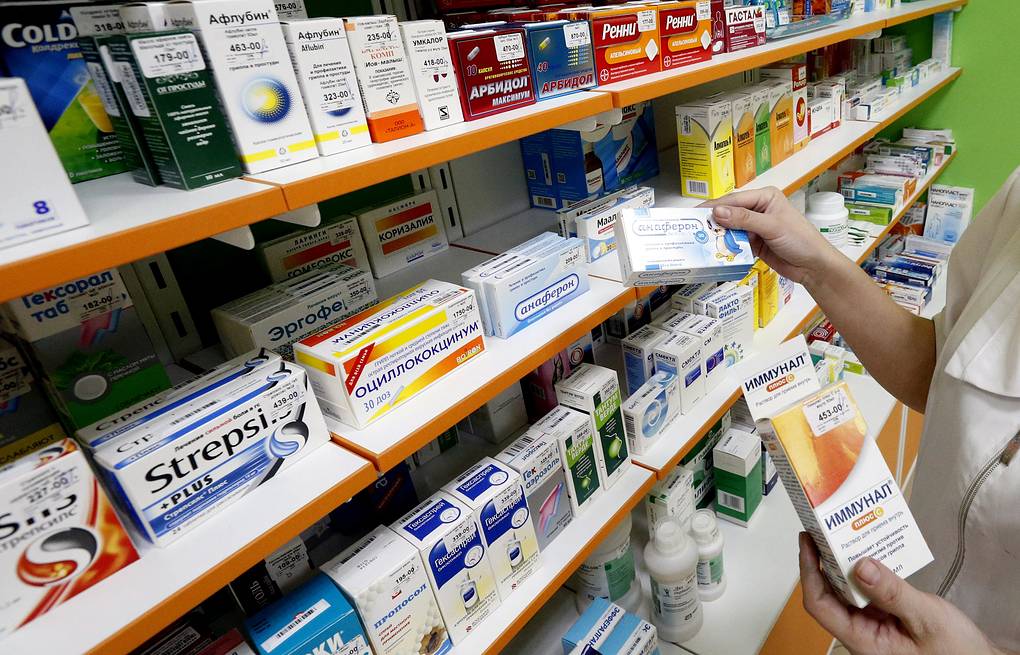
The prices of approximately 2,500 types of prescription medications have been reduced in Afghanistan. This significant price decrease aims to make essential medicines more accessible to the public. Among the affected categories, antibiotics and antimicrobial agents have seen the most substantial reductions, with prices falling by up to 50%. Medications for the cardiovascular system are now up to 37% cheaper. Drugs targeting the nervous system have been reduced by as much as 40%. Additionally, anti-inflammatory and pain relief medications are now up to 42% more affordable. These measures are expected to alleviate financial burdens on patients requiring regular treatment for various conditions.
The Afghan government's initiative to reduce the prices of nearly 2,500 prescription drugs, particularly impacting antibiotics, cardiovascular, and nervous system medications, addresses critical access issues within the healthcare system. Such policy interventions, while potentially easing immediate patient costs, warrant examination regarding their long-term sustainability and the underlying market dynamics. Understanding the mechanisms behind these price reductions—whether through direct negotiation with suppliers, increased competition, or regulatory oversight—is crucial for assessing their impact on pharmaceutical quality and availability. Future policy should consider fostering a robust and transparent pharmaceutical market that balances affordability with consistent access to safe and effective treatments, especially in a region facing significant economic and logistical challenges.
AI-generated to prompt reflection — not editorial opinion, not advice, not a statement of fact. How this works.