Nearly 2.9 Million Delhi Voters May Be Removed from Rolls
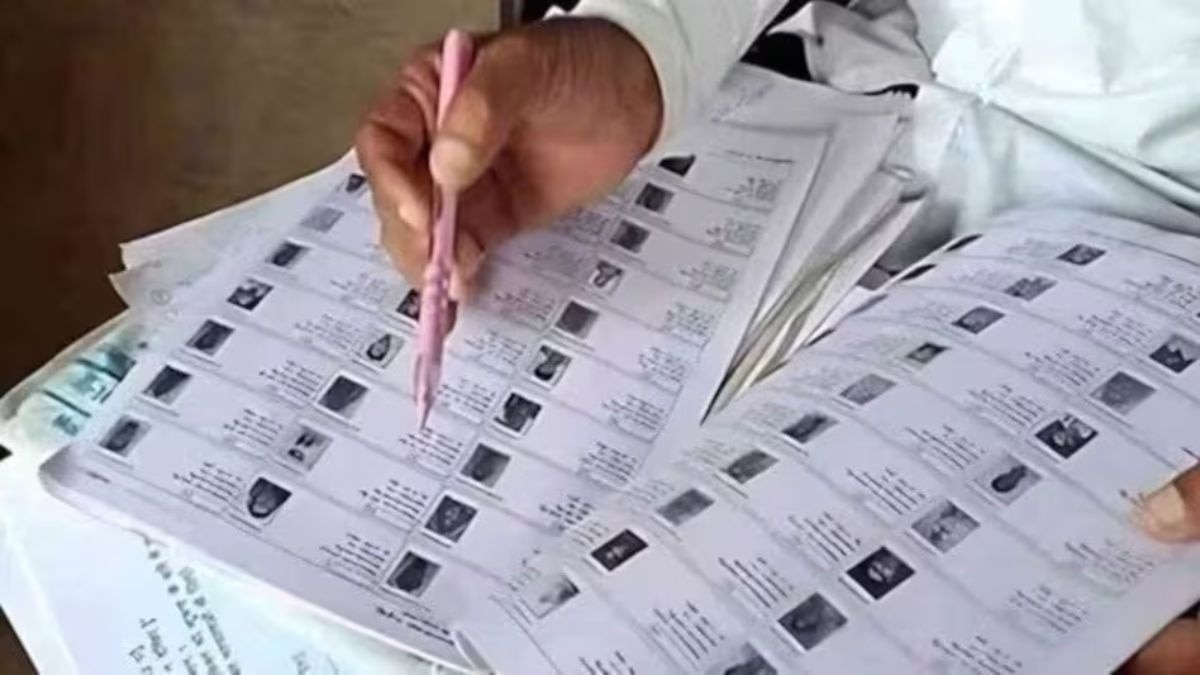
During a special revision of the voter list in Delhi, approximately 2.9 million voters were not found at their registered addresses. According to the Election Commission, the primary reasons for this discrepancy include a mobile population, failure to update addresses, and outdated records. These voters' names are at risk of being removed from the draft voter list scheduled for August 17. This extensive revision aims to ensure the accuracy and integrity of the electoral roll. The Election Commission has indicated that efforts will be made to verify addresses and contact voters where possible before any final deletions are made. The process highlights the challenges in maintaining an up-to-date voter database in a large, dynamic urban environment like Delhi. The commission is relying on various methods to confirm voter residency. The potential removal of such a large number of voters underscores the importance of citizens keeping their address information current with electoral authorities. This initiative is part of a broader effort to cleanse the voter rolls of non-existent or non-resident electors.
The large number of voters potentially removed from Delhi's electoral rolls, cited as approximately 2.9 million, points to significant challenges in maintaining an accurate and current voter registry within a rapidly changing urban landscape. This situation highlights the systemic friction between static electoral records and the dynamic nature of population mobility and residential changes. The stated reasons—population migration, un-updated addresses, and legacy data issues—are common in large metropolitan areas globally. From a governance perspective, this presents a trade-off between electoral integrity and inclusivity; while a clean roll is essential for fair elections, the potential disenfranchisement of a substantial segment of the population warrants careful consideration of outreach and verification protocols. The next decade's focus on digital identity and real-time data integration could offer future solutions, but current reliance on manual revision processes and self-reporting by citizens remains a bottleneck, raising questions about the efficiency and equity of voter list maintenance.
AI-generated to prompt reflection — not editorial opinion, not advice, not a statement of fact. How this works.