Nearly 27,000 children registered without father's name in Piauí; campaign offers free recognition
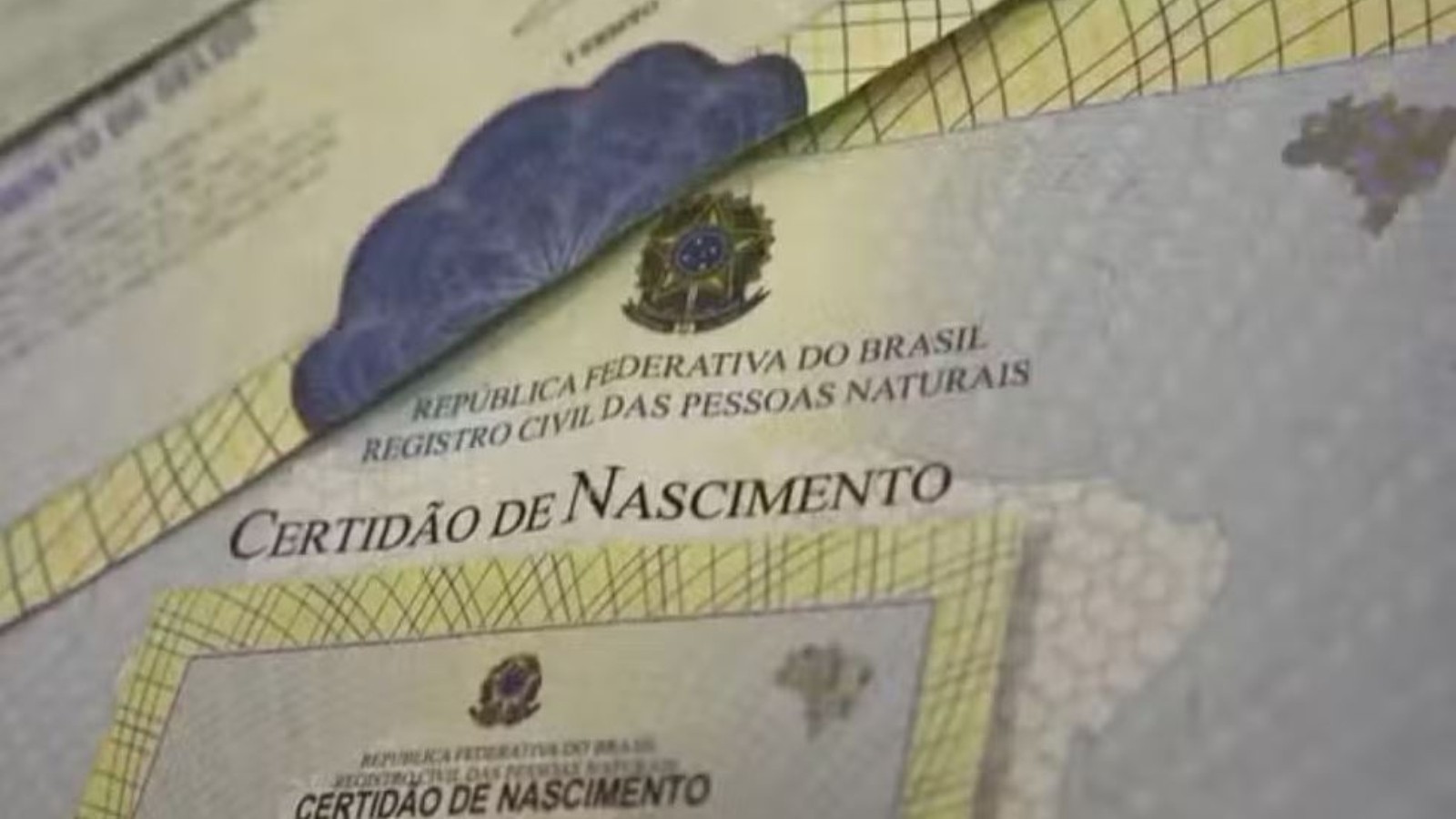
In the Brazilian state of Piauí, a significant number of children, nearly 27,000, were registered between 2016 and early July 2026 without their father's name on the birth certificate. The National Association of Civil Registrars (Arpen-Brasil) reported that 26,926 children were registered solely with their mother's name during this period. In 2026, up to early July, 1,215 births lacked paternal recognition, with 1,211 occurring in the first semester, marking an approximate 15.8% decrease compared to the same period in 2025.
To address this issue and facilitate paternity and maternity recognition, the Public Defender's Office of Piauí (DPE-PI) launched the 'Meu Pai Tem Nome' (My Father Has a Name) campaign. This initiative is being conducted across 13 municipalities in the state, aiming to increase access to filiation recognition and secure rights related to identity and family ties. The campaign, coordinated by the National Council of Public Defenders-General (Condege), offers free voluntary paternity and maternity recognition, mediation, DNA testing referrals, and legal guidance in Family Law matters. The campaign's largest edition in Piauí, it began on July 30 and runs until August 7, with a special 'Dia D' event held in Teresina on August 1st.
Public Defender General Carla Yáscar Bento Feitosa Belchior emphasized the institution's commitment to the right to filiation, stating the office will remain accessible throughout August. In Teresina, officials highlighted the provision of free DNA tests and mediation for consensual solutions, noting that even when paternity is established, the office can assist with child support, custody, and visitation rights. Testimonials from attendees, like Hayra Haynne Basílio, mother of a two-month-old, underscored the campaign's importance in formally establishing paternal links and ensuring children's rights to family connection.
This initiative addresses a critical aspect of civil registration and family law, highlighting a systemic challenge in ensuring children's legal and social connection to both parents. The campaign's multi-faceted approach, offering free legal aid, mediation, and DNA testing, aims to overcome barriers to paternity acknowledgment. From a systemic perspective, the high number of registrations without paternal names may reflect various socio-economic factors, including absent fathers, lack of awareness of legal processes, or difficulties in establishing paternity. The reduction in such cases in 2026 suggests potential positive impacts of ongoing efforts. Future considerations could involve exploring preventative measures and educational programs to foster shared parental responsibility from conception, thereby strengthening family structures and ensuring children's rights are fully realized in an evolving societal landscape.
AI-generated to prompt reflection — not editorial opinion, not advice, not a statement of fact. How this works.