Nearly 30% of Alto Tietê Vehicle Fleet Exceeds 20 Years of Age
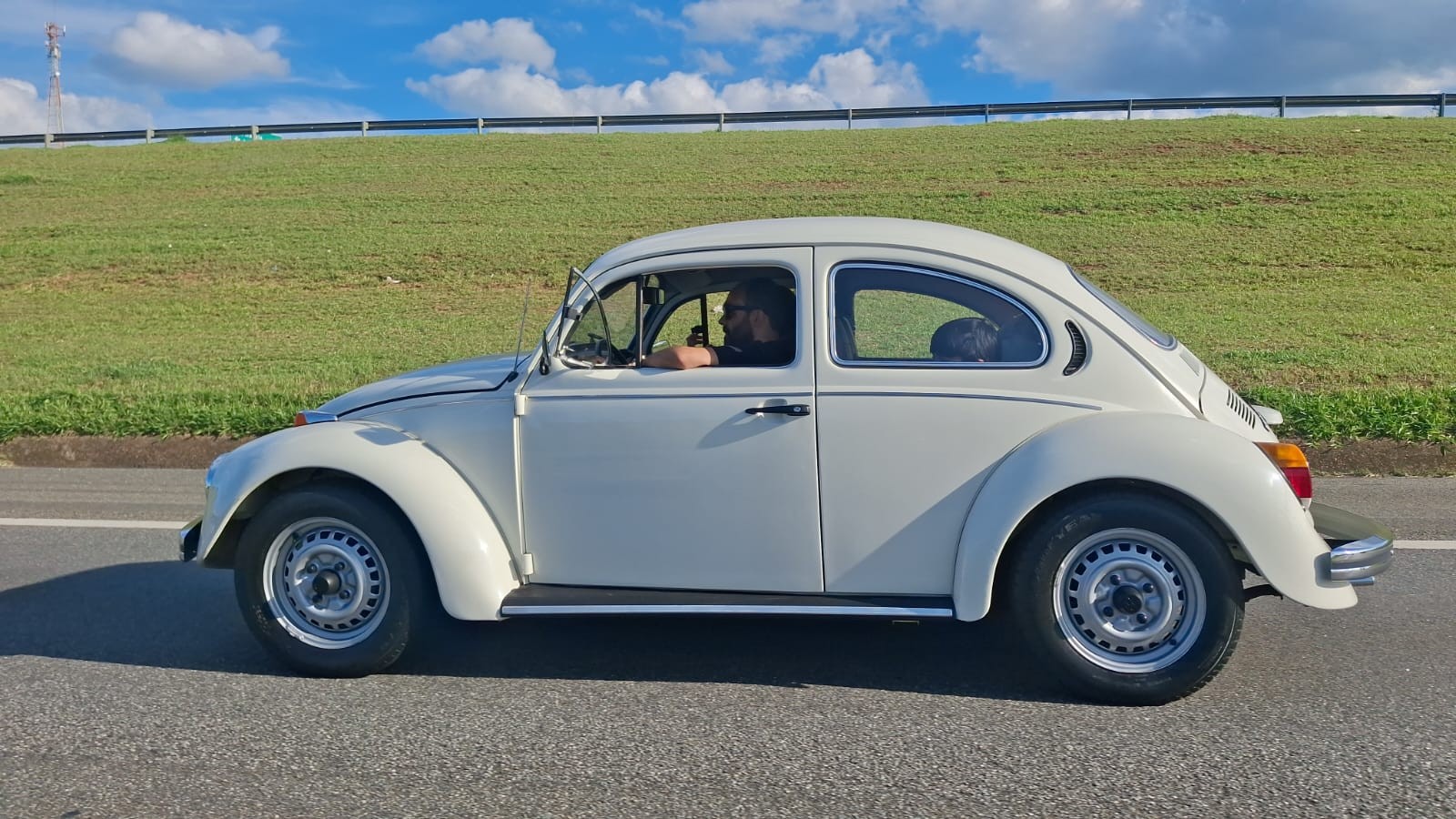
In the Alto Tietê region of Brazil, a significant portion of the vehicle fleet, nearly 30%, consists of vehicles manufactured over 20 years ago. This amounts to 227,898 vehicles, representing 28.8% of the total regional fleet of 792,215 vehicles. Data from the São Paulo State Department of Traffic (Detran-SP) indicates that only 15.7% of the fleet, or 124,207 vehicles, are five years old or newer. Vehicles aged between 10 and 20 years constitute the largest segment, with 329,673 units, making up 41.6% of the total. Mogi das Cruzes has the highest absolute number of vehicles over 20 years old, with 64,434, or 25.8% of its municipal fleet. However, Salesópolis leads proportionally, with 43.9% of its 11,270 vehicles being over two decades old. Mogi das Cruzes also boasts the largest overall fleet in Alto Tietê, with 249,540 vehicles, including the most cars and motorcycles. Suzano and Itaquaquecetuba follow in fleet size. Traffic specialist Paulo Castilho attributes the aging fleet to economic conditions, noting that improved purchasing power and more frequent maintenance occur during stable economic periods. He emphasizes that older vehicles require constant preventive maintenance to mitigate mechanical failures and accidents, which can contribute to traffic congestion. However, Castilho also points out that inadequate road infrastructure remains the primary cause of traffic slowdowns, suggesting that expanding existing roads and building new connections are crucial solutions. The growth of the vehicle fleet has outpaced infrastructure development over the past two decades, a trend expected to continue. In Salesópolis, the high proportion of older vehicles is partly due to a local tradition of collecting classic cars, with enthusiasts like Michele Matos preserving models like the Volkswagen Beetle, often using them for events and social club activities.
The aging vehicle fleet in Alto Tietê, with nearly 30% exceeding 20 years of age, highlights a potential interplay between economic conditions, consumer behavior, and infrastructure capacity. While economic downturns may reduce new vehicle purchases, the data suggests a long-term trend of fleet aging that outpaces infrastructure development. This situation creates a dual challenge: older vehicles may pose increased risks of mechanical failure and emissions, while insufficient road infrastructure exacerbates congestion. Addressing this requires a multi-faceted approach, considering economic support for fleet modernization, stricter emissions and safety standards for older vehicles, and significant investment in transportation infrastructure to accommodate current and future mobility demands. The localized passion for classic cars, while culturally significant, represents a small fraction of the overall issue and does not negate the broader systemic challenges presented by an aging general fleet.
AI-generated to prompt reflection — not editorial opinion, not advice, not a statement of fact. How this works.