Nearly 300-Year-Old Colonial Mansion in Brazil Preserves Centuries of History
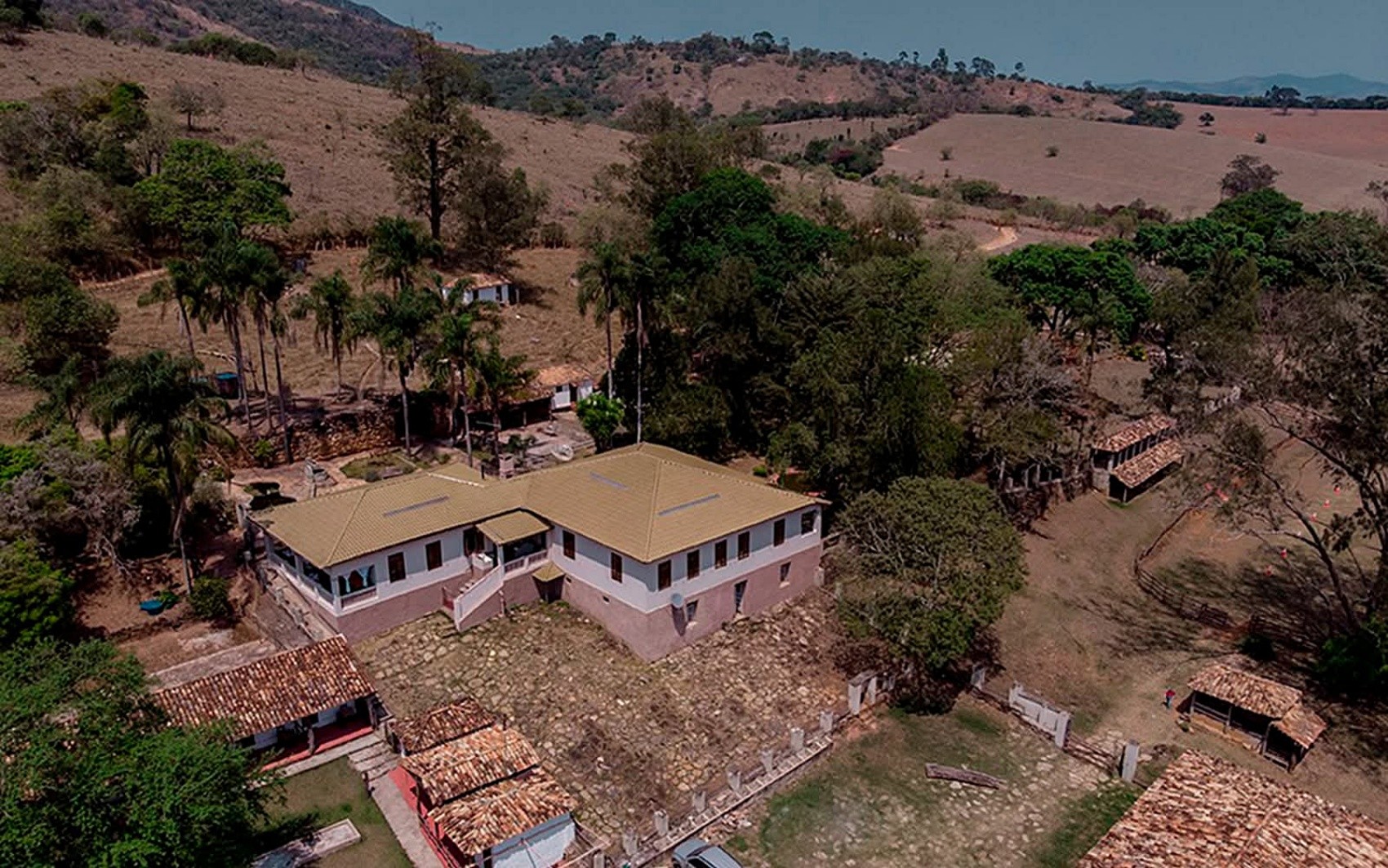
The Fazenda da Roseta, a nearly 300-year-old mansion in Baependi, Minas Gerais, Brazil, has remained in the same family since its construction in 1738, during the colonial period under Portuguese rule. This historic property, situated in the Serra da Mantiqueira mountains, blends history, nature, and tourism, and is now managed by the sixth generation of the Maciel family. The family decided to open the estate to visitors after discovering a written dream of the owner's mother, who expressed a desire for the farm to become a tourist enterprise. This revelation inspired them to open its doors, ensuring the farm and its history remain vibrant.
The property holds significant historical and environmental recognition. In 1993, it was acknowledged by UNESCO as part of the International Network of Biosphere Reserves, highlighting its strategic importance for global ecosystem conservation and sustainable development. The estate also houses museums and historical structures, including the original stone walls and pavements, a grotto, and an old corn mill converted into the Rural Worker's Museum. Originally established as a 'sesmaria' (land grant), the farm's history is deeply intertwined with the Portuguese Crown's land concession model and the subsequent settlement of Southern Minas Gerais.
While undergoing several renovations, including a significant one in the 1940s that shifted towards a neo-colonial style and further adaptations in 2006 for visitors, the mansion retains key colonial features. Since opening to the public in 2013, Fazenda da Roseta attracts approximately 600 visitors annually, offering lodging and guided experiences. The tourism revenue, along with annual conservation costs of around R$350,000, aims to sustain the ongoing preservation efforts. The owner emphasizes the challenge of financial sustainability, noting that past maintenance failures led to the loss of some features, and highlights the balance required between heritage conservation and business viability. The estate now produces experiences, knowledge, and memories, continuing its legacy of contribution to the region.
The preservation of Fazenda da Roseta exemplifies a growing trend where historical sites leverage tourism for financial sustainability, a model crucial for maintaining cultural heritage in the face of economic pressures. The family's decision to transform the estate into a tourist destination, inspired by a personal vision, highlights the intersection of legacy, entrepreneurship, and cultural stewardship. This approach, while vital for funding conservation, also introduces market dynamics and external economic vulnerabilities, such as fluctuations in tourism demand and the need for continuous investment. Balancing the imperative to preserve authentic historical integrity with the demands of modern tourism presents an ongoing challenge. As AI and digital technologies advance, there may be opportunities to enhance visitor engagement and operational efficiency, potentially offering new avenues for both revenue generation and more immersive historical interpretation, thereby securing the site's future for subsequent generations.
AI-generated to prompt reflection — not editorial opinion, not advice, not a statement of fact. How this works.