Nearly 64 Million Brazilians Aged 15+ Haven't Completed Basic Education
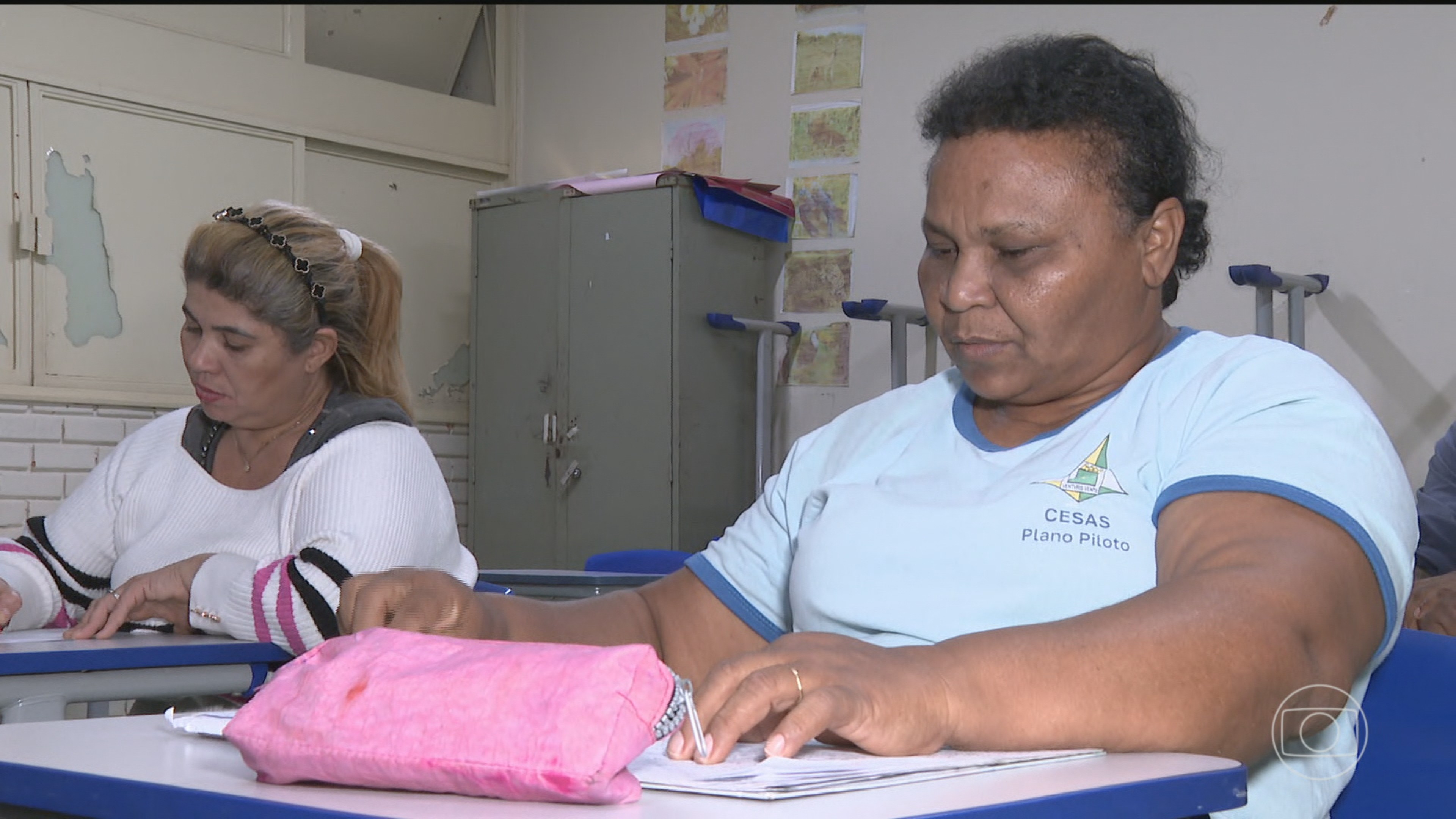
A new study reveals that approximately 64 million Brazilians aged 15 and older have not completed their basic education. Of this significant population, over 44 million did not finish elementary school, and 19 million have not completed high school. Despite these high numbers, less than 2% of these individuals have access to Youth and Adult Education (EJA) programs.
Sixteen civil society organizations, including the Roberto Marinho Foundation, UNESCO, and UNICEF, have launched a collaborative initiative to advocate for improvements to Brazil's National Education Plan. Their goal is to enhance educational attainment for millions of adults and ensure EJA programs serve as a pathway to better-qualified employment. Francisca Laura Silva, who aims to become a doctor after a 30-year educational hiatus due to domestic work, family care, and financial constraints, exemplifies the potential impact of these efforts.
The economic implications of this educational deficit are substantial. The study estimates that Brazil could generate an additional R$66 billion in annual income, equivalent to 0.6% of its GDP, if this segment of the population had completed basic education. Advocates emphasize that EJA is a critical component for national development and future progress, not a minor educational issue. The newly formed "EJA and Productive Inclusion Network" aims to highlight this central agenda to both the public and policymakers.
The data highlights a significant challenge in Brazil's educational landscape, where a large segment of the adult population lacks basic education credentials. This educational gap not only impacts individual opportunities but also represents a considerable economic cost to the nation, limiting potential GDP growth and productivity. The initiative by civil society organizations to influence national education policy and improve EJA access is a crucial step. However, the low enrollment in existing EJA programs suggests systemic barriers, possibly related to program accessibility, relevance, or societal perceptions, that need to be addressed for effective implementation. Future policy should consider how to integrate EJA with vocational training and labor market demands to maximize its impact on both individual livelihoods and national economic development, especially in an era where continuous learning and skill adaptation are paramount.
AI-generated to prompt reflection — not editorial opinion, not advice, not a statement of fact. How this works.