Nearly 720,000 Lightning Strikes Recorded in Rio Grande do Sul in One Day
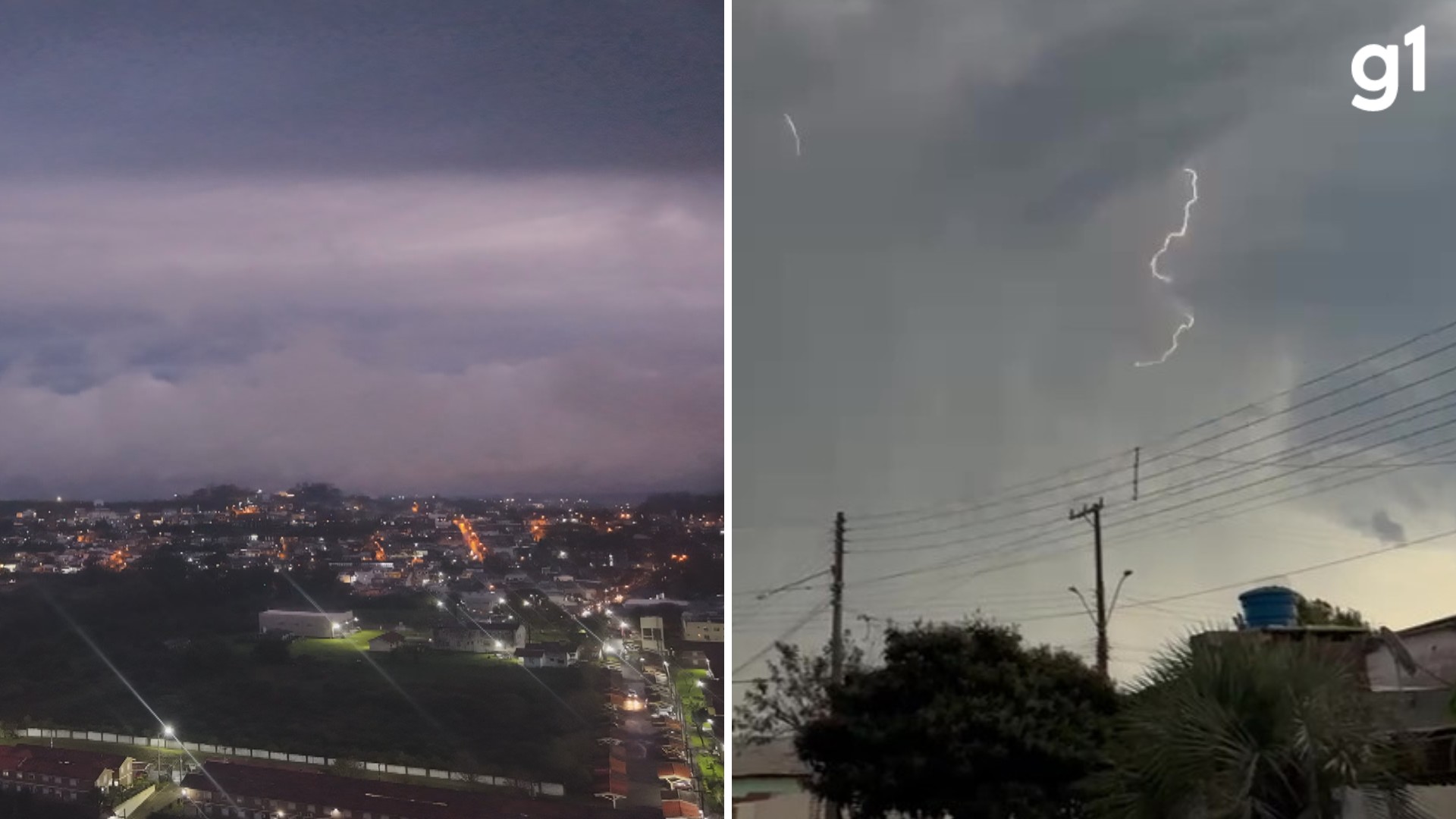
Rio Grande do Sul, Brazil, recorded an exceptionally high number of 719,309 atmospheric electrical discharges on Tuesday, May 28th, amidst widespread weather instability. This count, considered "very high" by Climatempo Meteorologia, encompasses both cloud-to-cloud discharges and ground strikes, commonly known as lightning. The state is currently experiencing heavy rainfall accompanied by intense winds, leading to warnings of severe storms and potential flooding between Tuesday and Wednesday, May 29th. Meteorological conditions indicate a continued risk of storm-related phenomena. As a cold front advances northward on Wednesday, storm predictions persist for the northern regions, including the North, Northwest, Northeast, Serra, Vales, and Litoral Norte, particularly during the early morning and morning hours. Instability is expected to decrease in the western, Campanha, and southern areas throughout the day. Despite the anticipated weather improvement, the hydrological risk remains elevated, with potential for river overflows in the basins of the Jacuí, Ibicuí, Ibirapuitã, Taquari, Caí, Sinos, and Uruguai rivers. Looking ahead to Thursday, May 30th, a return to stable weather is forecast for most of Rio Grande do Sul, driven by a drier air mass. Temperatures are expected to drop, bringing cooler conditions during the early morning and dawn. However, attention will remain focused on river levels, which are anticipated to stay high and could cause flooding in areas previously affected by recent rains.
The extreme number of lightning strikes in Rio Grande do Sul highlights the significant atmospheric energy present during the recent weather events. While such phenomena are natural, their intensity and frequency can be exacerbated by broader climatic shifts, demanding robust infrastructure resilience and advanced early warning systems. The continued hydrological risk, even as surface weather improves, underscores the lagged impact of severe weather on river systems and the importance of integrated water management strategies. As societies increasingly face extreme weather, preparedness and adaptation planning, informed by sophisticated meteorological forecasting and climate science, become paramount for mitigating damage and ensuring public safety.
AI-generated to prompt reflection — not editorial opinion, not advice, not a statement of fact. How this works.