Nearly 75% of English Riverbanks Inaccessible to the Public, Data Reveals
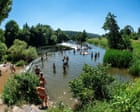
New figures from the Right to Roam campaign indicate that approximately 75% of riverbanks in England are not accessible to the public. This lack of access spans vast areas of the country, from Cornwall in the west to the Tweed river in the north, which forms part of the border between England and Scotland. Campaigners are advocating for the government to establish a legal right of access to waterways. They highlight the increasing frequency and severity of heatwaves as a critical reason for this need, suggesting that public access to rivers could offer vital cooling opportunities. The data suggests that the majority of river catchments are affected by this restriction, limiting recreational and cooling opportunities for the general population. The campaign aims to address this widespread inaccessibility by urging legislative changes.
The data highlights a significant disconnect between natural resources and public access in England, potentially driven by historical land ownership patterns and current access rights legislation. As climate change intensifies heatwaves, the lack of access to cooling water bodies becomes a salient issue, raising questions about public health equity and the management of shared natural assets. Future policy considerations might involve balancing private land rights with the growing public demand for access to natural environments, especially for climate adaptation purposes. This situation underscores a broader global tension between private property regimes and the commons, a dynamic likely to intensify in the coming decade as environmental pressures mount.
AI-generated to prompt reflection — not editorial opinion, not advice, not a statement of fact. How this works.