Nearly 8,000 New Flying Insect Species Identified in Ecuador's Mashpi Reserve
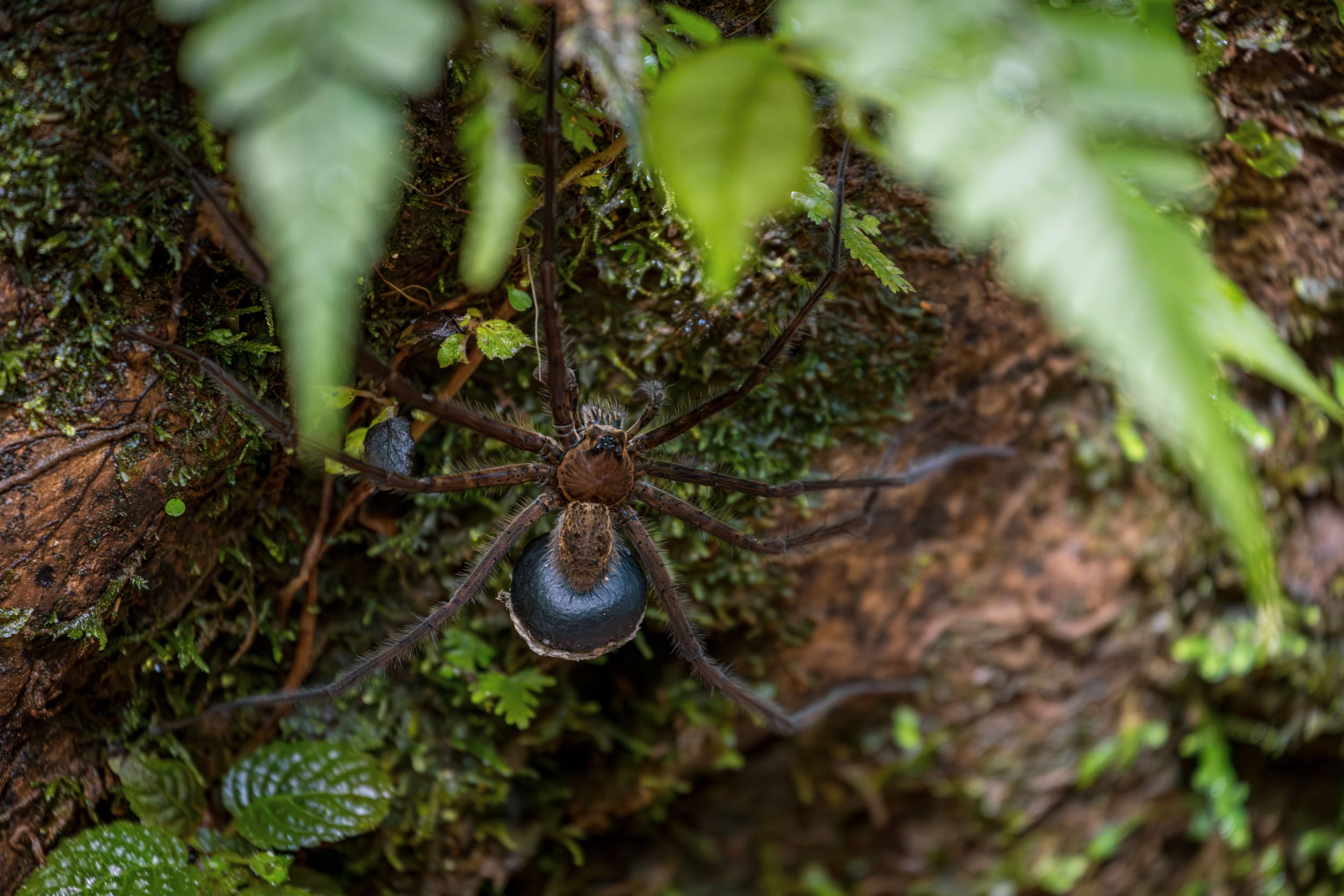
A groundbreaking genetic sequencing study has revealed an astonishing level of biodiversity within Ecuador's Mashpi Reserve, located in the Andean Chocó region. The research has identified 7,848 new species of flying insects previously unknown to science. These newly cataloged species are now officially recognized and have been assigned a form of scientific 'identification' or 'citizen card.' This extensive cataloging effort represents only a fraction of the total data collected during the investigation, hinting at even greater undiscovered biodiversity. The study focused on the 'invisible biodiversity,' highlighting the vast number of organisms that often go unnoticed but play crucial roles in the ecosystem. The Mashpi Reserve, known for its rich natural heritage, has become a focal point for understanding the intricate web of life in this unique biome. The findings underscore the importance of conservation efforts in regions like the Andean Chocó, which are critical hotspots for global biodiversity. Further analysis of the remaining data is expected to reveal even more new species and ecological insights.
This discovery highlights the immense, often overlooked, biodiversity present in tropical ecosystems like the Andean Chocó. The application of genetic sequencing technology is proving instrumental in cataloging species that might otherwise remain scientifically undocumented. While the identification of nearly 8,000 new insect species is a significant scientific achievement, it also raises questions about the scale of undiscovered life globally and the resources required for comprehensive biodiversity assessment. This finding underscores the critical need for robust conservation strategies, particularly in biodiverse regions facing anthropogenic pressures. The study's focus on 'invisible biodiversity' suggests that current ecological models may underestimate the complexity and interconnectedness of ecosystems. Future research will likely explore the functional roles of these newly identified species and their implications for ecosystem health and resilience in the face of environmental change.
AI-generated to prompt reflection — not editorial opinion, not advice, not a statement of fact. How this works.