Nearly 90 Workers Rescued from Slave-Like Conditions on Minas Gerais Coffee Farms
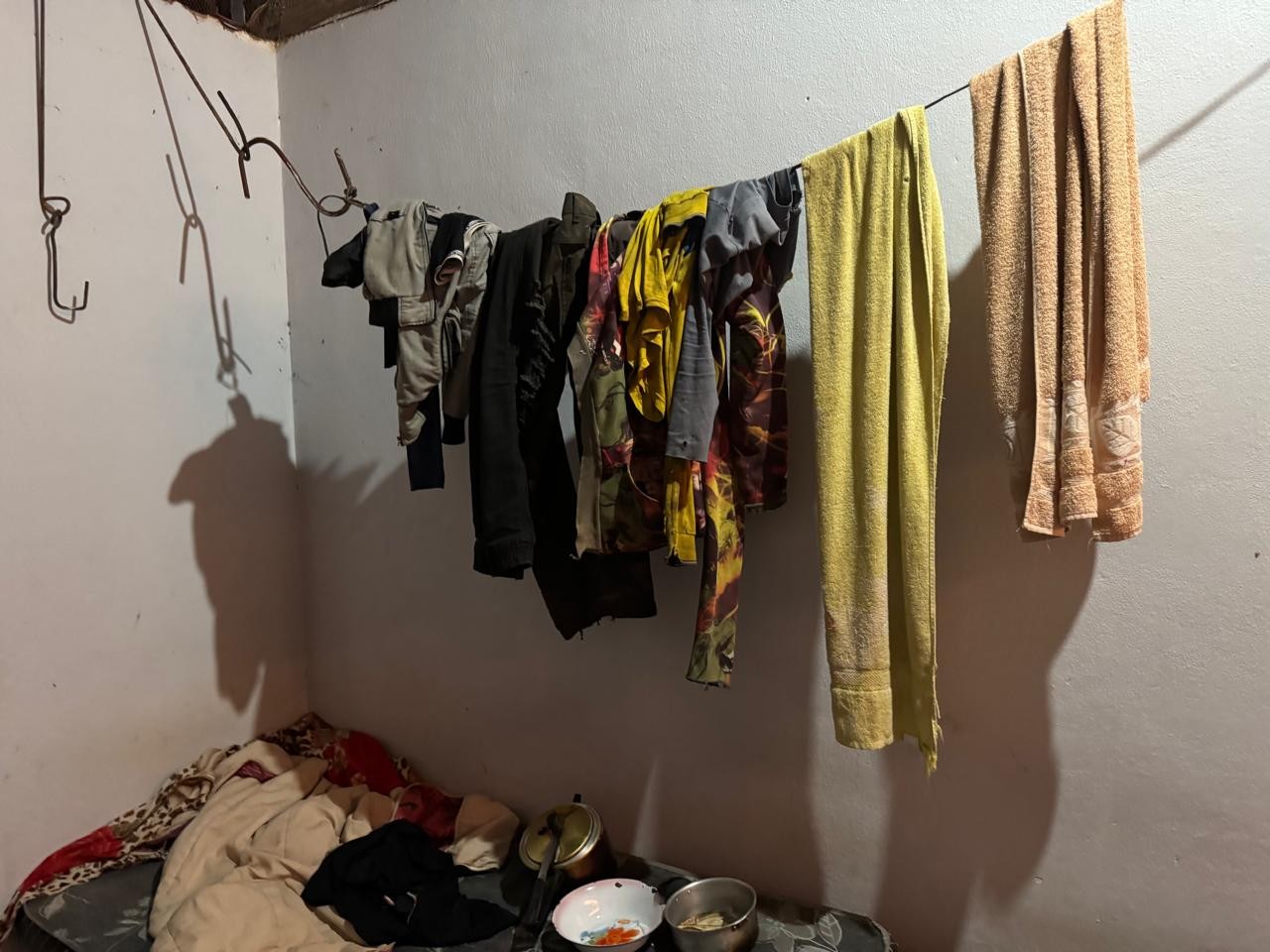
A task force coordinated by the Labor Audit Office has rescued 89 workers from conditions analogous to slavery during the coffee harvest in three rural properties in Minas Gerais. The operation, which took place in the municipalities of Mutum, Santana do Manhuaçu, and Alto Caparaó, began on the 19th of this month and concluded on Wednesday, the 29th, with the participation of the Public Prosecutor's Office of Labor (MPT) and the Federal Police. The rescued workers were found across the three locations: 45 in Alto Caparaó, 32 in Mutum, and 12 in Santana do Manhuaçu. All workers were employed without formal registration and were subjected to degrading working and housing conditions. The inspection revealed a severe lack of sanitary facilities, forcing workers to relieve themselves outdoors. The situation was compounded by the presence of women among the rescued individuals. Employers also failed to provide personal protective equipment (PPE), and the housing on two properties lacked basic dignity. To date, approximately R$ 654,600 in severance pay has been disbursed to the rescued workers. One employer has not fully settled the amounts owed and has been notified to rectify the situation or provide proof of payment, facing potential further penalties and judicial proceedings if non-compliant. The task force was mobilized due to an increase in complaints during the coffee harvest season, a period that sees a surge in migrant workers, leading to a rise in reports of degrading labor practices. The Labor Audit Office emphasized its commitment to protecting workers' rights and combating slave-like labor conditions, particularly in vulnerable sectors like coffee harvesting.
This operation highlights persistent systemic issues within Brazil's agricultural labor sector, particularly during peak harvest seasons. The exploitation of migrant workers, often lacking formal contracts and adequate living conditions, points to a failure in regulatory oversight and enforcement mechanisms. The significant amount disbursed in severance pay underscores the economic exploitation involved, while the lack of basic sanitation and PPE indicates a disregard for fundamental human rights and occupational safety. Future interventions should focus on proactive monitoring, strengthening whistleblower protections, and ensuring swift, robust legal accountability for employers who violate labor laws. Addressing the root causes, such as poverty and lack of alternative employment in source regions, is also crucial for long-term prevention.
AI-generated to prompt reflection — not editorial opinion, not advice, not a statement of fact. How this works.