Nearly Half of Japanese Municipalities Report Co-ed Changing Rooms in Schools
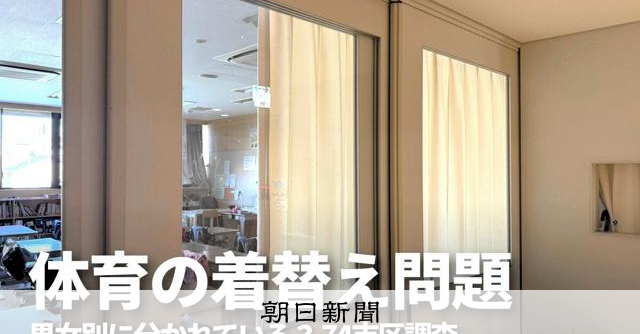
A recent nationwide survey has revealed that nearly half of Japanese municipalities have schools where students of different genders share changing rooms for physical education classes. This practice is reportedly in place in some schools within approximately 45% of the surveyed local governments across the country. The survey, conducted independently, aimed to gauge the prevalence of co-ed changing facilities in educational institutions. While the specific number of schools affected or the exact proportion of students impacted were not detailed, the findings highlight a significant presence of this policy in Japanese public education. The survey did not specify the reasons behind the implementation of co-ed changing rooms or the age groups involved. Further details regarding the methodology and the specific municipalities participating were not provided in the initial report. The findings raise questions about current practices and potential future policy considerations regarding student privacy and comfort in schools.
The prevalence of co-ed changing rooms in Japanese schools, as indicated by this survey, suggests a potential shift in traditional norms concerning student privacy and gender segregation in educational settings. This practice may reflect evolving societal attitudes or pragmatic resource allocation within municipalities. From a systems perspective, the varied implementation across different local governments points to a decentralized approach to school policy in Japan. Future considerations might involve examining the long-term impact on student well-being, the effectiveness of different privacy measures within shared spaces, and the alignment with broader national educational objectives. Understanding the underlying incentives for municipalities to adopt such policies, whether driven by cost-saving, inclusivity initiatives, or other factors, will be crucial for assessing their sustainability and broader implications in the coming decade.
AI-generated to prompt reflection — not editorial opinion, not advice, not a statement of fact. How this works.