NEET Exam Controversy: From Paper Leak to Education Minister's Resignation
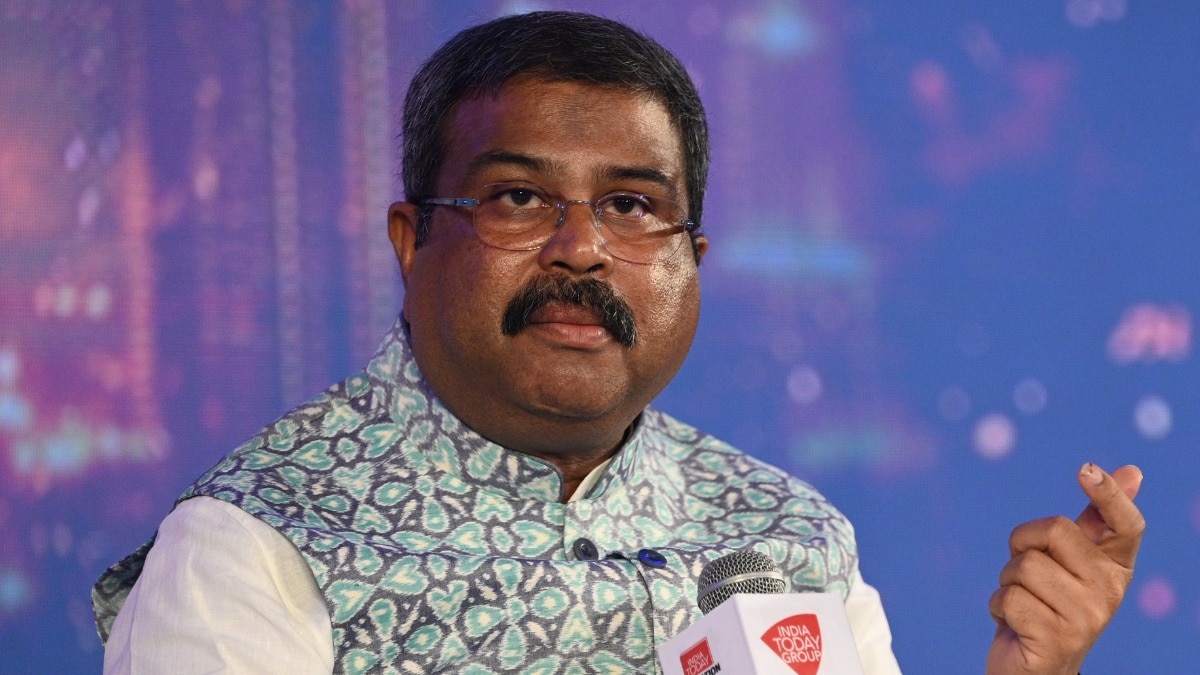
The NEET UG 2026 paper leak scandal saw significant developments from May to July. Following the cancellation of the exam, the 'Cockroach Janata Party' (CJP) initiated a protest, holding a sit-in at Jantar Mantar for several weeks. The situation intensified with Sonam Wangchuk's hunger strike, opposition protests in Parliament and on the streets, and police action on July 20. Prime Minister Modi announced stringent legal measures. Subsequently, on July 24, the Union Cabinet approved a strict bill, and on July 25, Education Minister Dharmendra Pradhan resigned. The government agreed to CJP's demands for compensation and case withdrawal, though the protest continues.
The NEET UG 2024 exam irregularities highlight systemic vulnerabilities in large-scale competitive testing, impacting millions of aspiring students. The government's swift legislative response, including the approval of a stringent bill and the Education Minister's resignation, signals an acknowledgment of the crisis's severity. This event underscores the critical need for robust oversight and technological safeguards in educational testing to maintain public trust and ensure equitable opportunities. Future reforms should focus on enhancing exam security protocols, transparent investigation mechanisms, and accountability frameworks for examination bodies to prevent recurrence and uphold the integrity of the academic selection process.
AI-generated to prompt reflection — not editorial opinion, not advice, not a statement of fact. How this works.