NEET Exam Controversy: Students React to R. Madhavan's Silence
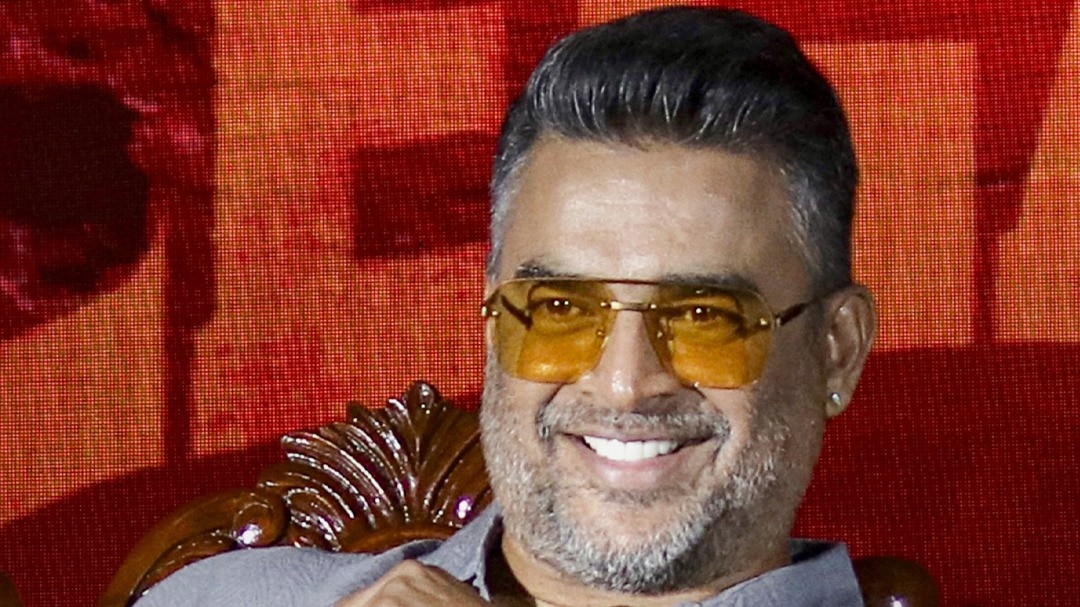
Amidst the ongoing controversy surrounding the NEET exam and student protests, actor R. Madhavan's silence on the issue has become a topic of discussion. As the chairman of the Film and Television Institute of India (FTII), some students and social media users have called on him to address the matter. Many other film personalities have publicly shared their opinions on the protests and the students' demands. The NEET exam, a crucial entrance test for medical courses in India, has been marred by allegations of irregularities, leading to widespread student demonstrations across the country. The demand for a response from Madhavan stems from his prominent position within a government-affiliated institution and his public profile. While some expect him to use his platform to voice concerns, others are questioning the necessity of his involvement. The situation highlights the growing public expectation for celebrities and public figures to engage with socio-political issues, especially those affecting large segments of the population.
The public's expectation for prominent figures like R. Madhavan, especially those holding leadership positions in educational institutions such as FTII, to comment on significant national issues like the NEET exam controversy reflects a broader trend of demanding accountability from influencers. This situation presents a governance challenge for public figures, balancing their personal stance with their institutional roles and the potential impact of their statements. The scrutiny faced by Madhavan underscores the evolving dynamics of celebrity engagement in public discourse, where silence can be as potent as speech. Future considerations for individuals in similar positions may involve establishing clear protocols for addressing public concerns without compromising their institutional neutrality or personal convictions, navigating the complex interplay between public service, personal brand, and societal expectations in the digital age.
AI-generated to prompt reflection — not editorial opinion, not advice, not a statement of fact. How this works.