NEET Exam Protests Escalate Amidst Allegations of Police Brutality
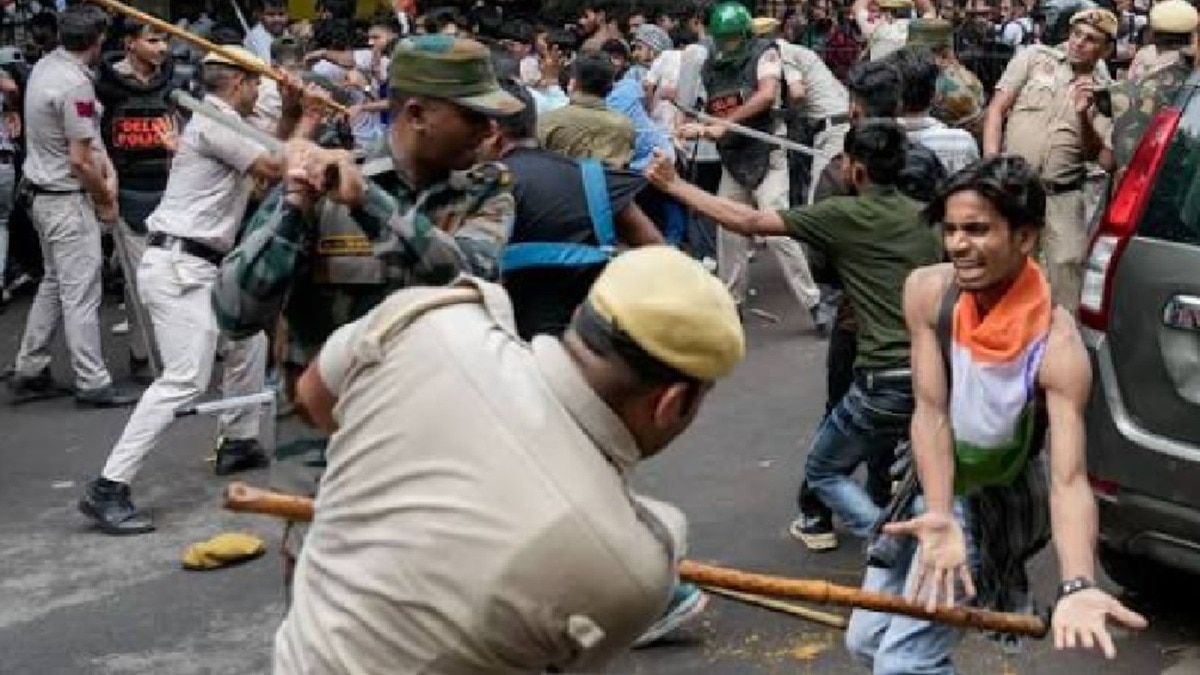
Student protests have intensified across India following allegations of a NEET exam paper leak. Demonstrations have taken place at Jantar Mantar, with notable figures like Sonam Wangchuk beginning a hunger strike. The situation was further inflamed by actions taken by the Delhi Police after a march towards Parliament. This series of events has galvanized students nationwide who are demanding action against corruption in the examination process. The protests highlight a growing concern among students regarding the integrity of standardized testing and its impact on their future aspirations. The collective action signifies a broad-based demand for transparency and accountability within the educational testing system.
The widespread student protests surrounding the NEET exam leak underscore systemic vulnerabilities within large-scale standardized testing administration. The allegations of police action during a parliamentary march, if substantiated, raise questions about the balance between maintaining public order and respecting citizens' rights to peaceful assembly. This situation highlights the critical need for robust oversight mechanisms to ensure exam integrity and prevent corruption. Future reforms should focus on enhancing technological safeguards, strengthening investigation protocols, and ensuring transparent communication with stakeholders to rebuild trust in the examination process. The long-term implications involve potential shifts in educational policy and increased public scrutiny of examination bodies.
AI-generated to prompt reflection — not editorial opinion, not advice, not a statement of fact. How this works.