NEET Protests Continue as Government Engages Sonam Wangchuk, Opposition Remains Unconvinced
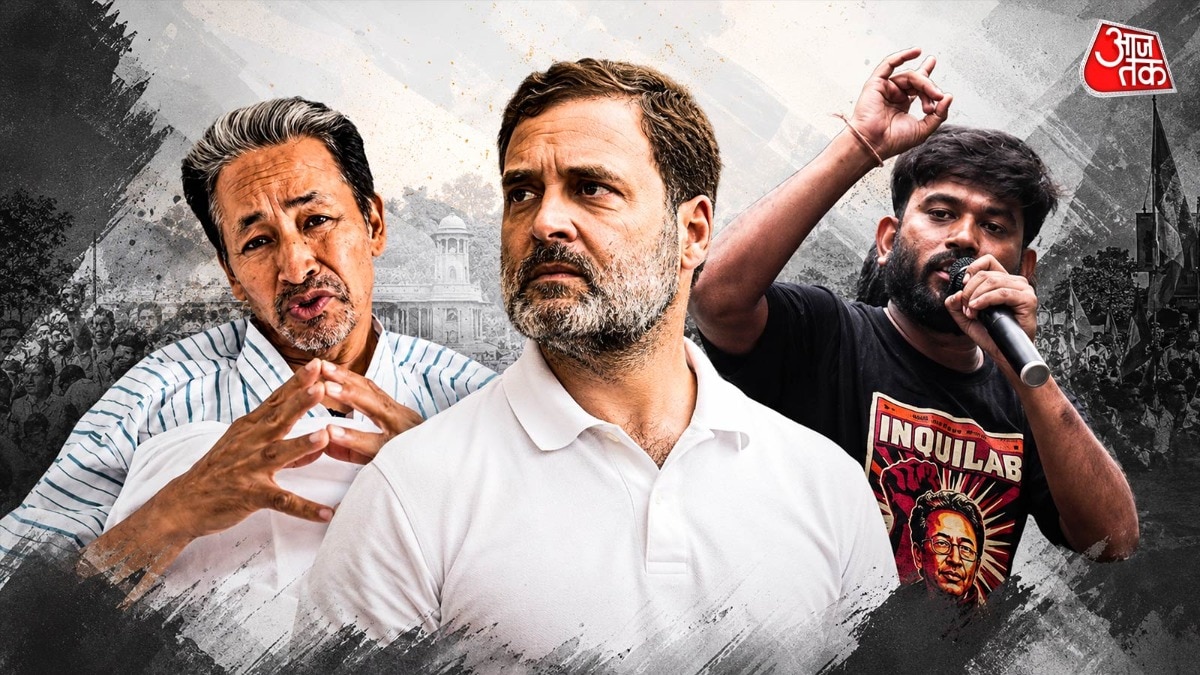
Student anger over the NEET exam paper leak persists, with widespread protests continuing across the country. The central government has initiated damage control measures amidst the significant unrest. Notably, the government successfully persuaded Sonam Wangchuk, a prominent figure, to end his hunger strike. However, despite this engagement, other key opposition groups, including the Citizens for Justice and Peace (CJP) and the Congress party, continue their participation in the ongoing protests. The government's strategy appears to involve isolating certain protest leaders while facing continued pressure from other influential entities. The situation highlights a multi-fronted protest movement where the government is attempting to de-escalate by addressing specific concerns and individuals, but broader political and civil society opposition remains.
The government's strategy to address the NEET paper leak protests by engaging with Sonam Wangchuk while facing continued opposition from groups like CJP and Congress suggests a tactic of selective de-escalation. This approach aims to fracture the protest movement by co-opting influential voices, thereby potentially diminishing the unified front of dissent. However, the persistence of other opposition elements indicates that the underlying issues driving the protests may extend beyond the scope of concessions offered to specific individuals. Future governance models will need to consider how to address systemic issues of educational integrity and public trust when multiple stakeholder groups, each with distinct motivations and leverage points, are involved in public demonstrations.
AI-generated to prompt reflection — not editorial opinion, not advice, not a statement of fact. How this works.