Neil Armstrong: The First Human to Walk on the Moon
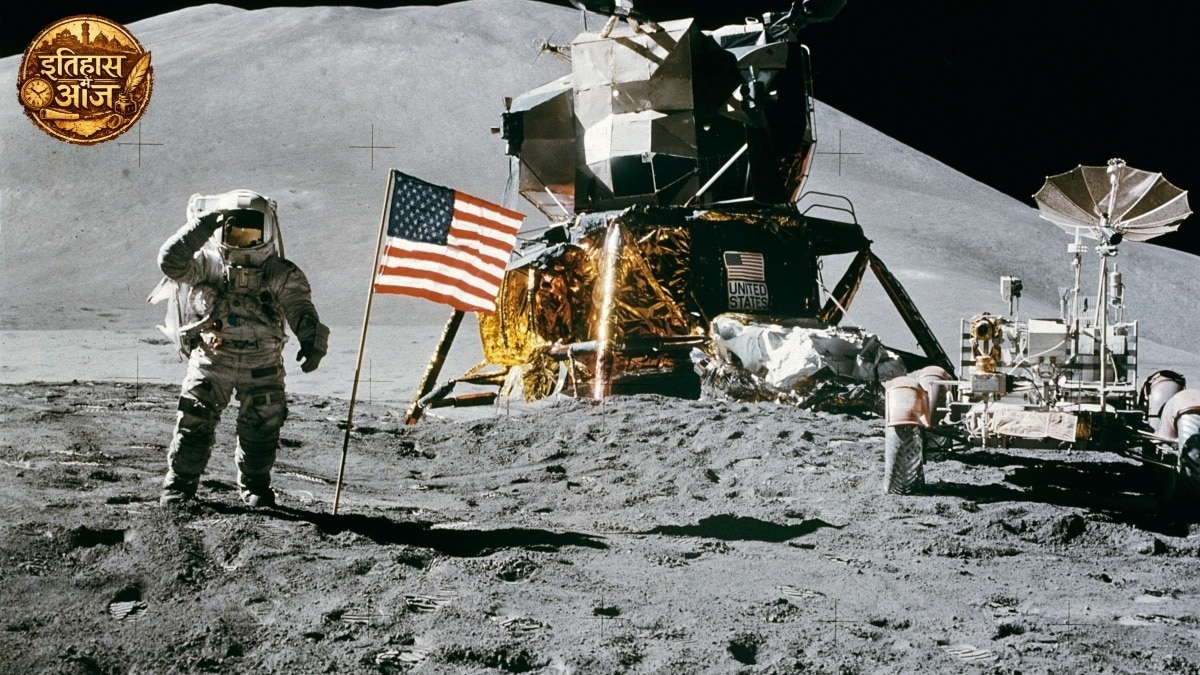
On this day in history, the first human being set foot on the Moon. This historic achievement belongs to astronaut Neil Armstrong, who became the very first person to land on the lunar surface. His pioneering steps marked a monumental moment in space exploration and human endeavor. Armstrong's lunar landing was a culmination of years of scientific research, engineering innovation, and the collective ambition of nations. The mission, Apollo 11, captivated the world as it unfolded. Armstrong's famous words upon stepping onto the Moon, "That's one small step for man, one giant leap for mankind," continue to resonate. This event remains a powerful symbol of human curiosity and the drive to explore the unknown. It opened a new chapter in our understanding of the cosmos and our place within it. The legacy of this day continues to inspire future generations of scientists, engineers, and explorers.
The Apollo 11 mission, culminating in Neil Armstrong's lunar walk, represents a pinnacle of human technological achievement and a significant geopolitical event during the Cold War space race. While celebrated as a triumph of exploration, the immense resources dedicated to such endeavors highlight the complex interplay between scientific ambition, national prestige, and resource allocation. Future space exploration initiatives will likely face increased scrutiny regarding their cost-benefit analyses, sustainability, and potential for international collaboration versus competition. The drive to reach celestial bodies, now increasingly influenced by commercial interests and the potential for resource utilization, presents new governance challenges and ethical considerations for humanity's expansion beyond Earth.
AI-generated to prompt reflection — not editorial opinion, not advice, not a statement of fact. How this works.