Nelson Mandela Bay Coalition Faces Turmoil Over No-Confidence Motions
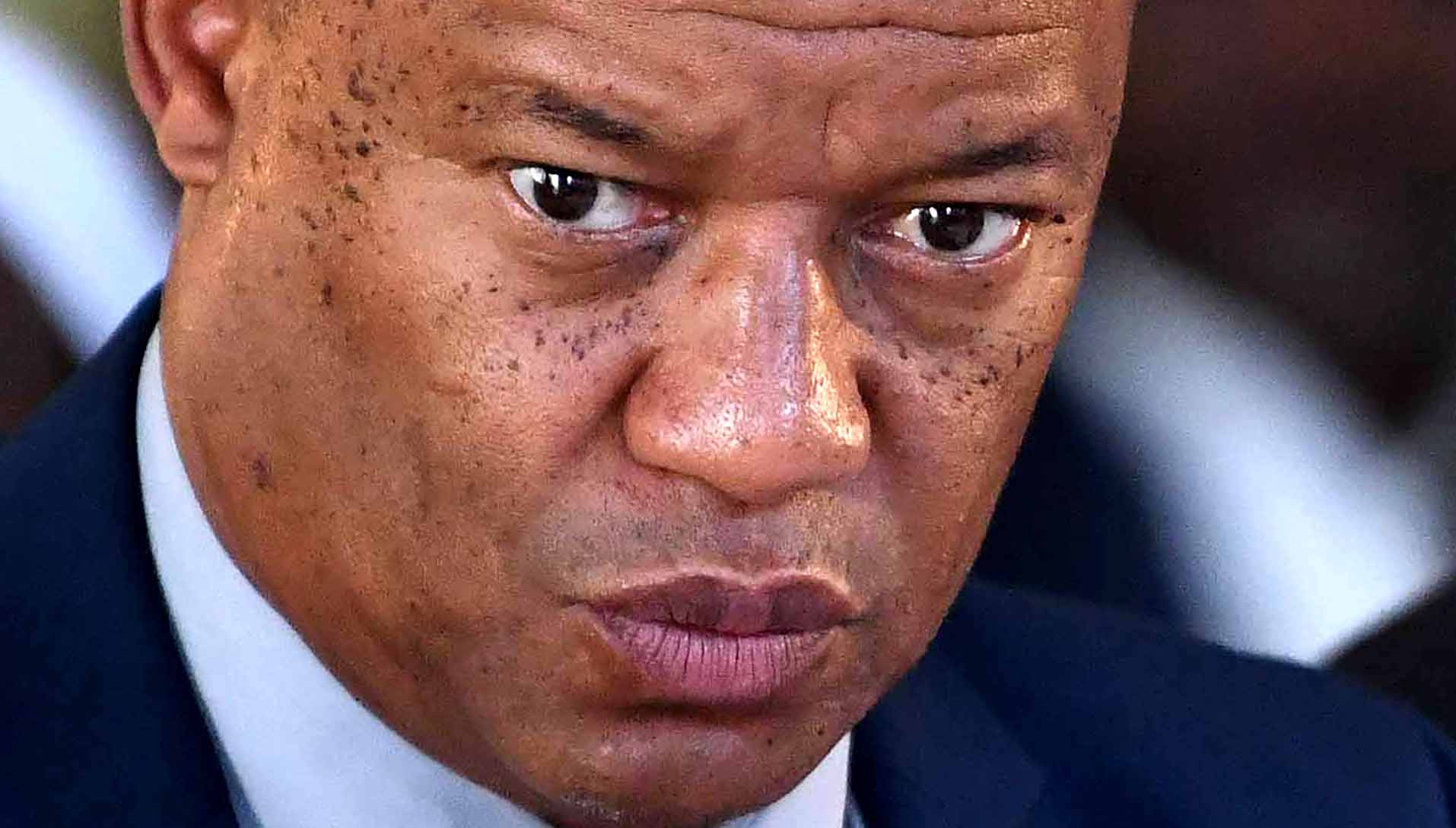
Nelson Mandela Bay is experiencing significant political instability as its ruling coalition faces a potential shake-up. Rival motions of no-confidence have been tabled, targeting both Mayor Babalwa Lobishe and Deputy Mayor Gary van Niekerk. These motions are reportedly driven by widespread dissatisfaction with service delivery failures within the municipality. Allegations of misconduct against the leadership are also cited as a reason for the no-confidence votes. The political maneuvering indicates deep divisions within the coalition government, potentially jeopardizing its ability to govern effectively. The outcome of these motions could lead to a significant change in the municipal leadership. This situation highlights the ongoing challenges faced by the Nelson Mandela Bay municipality in providing essential services to its residents. The political infighting distracts from the urgent need to address service delivery issues and improve the lives of citizens.
The political instability in Nelson Mandela Bay, characterized by no-confidence motions against its mayor and deputy, underscores a common governance challenge in coalition environments. Such dynamics often arise when differing party interests and accountability mechanisms conflict, particularly when service delivery expectations are not met. The focus on alleged misconduct and service failures suggests a breakdown in either operational effectiveness or public trust, or both. Moving forward, the coalition's sustainability will depend on its capacity to reconcile internal political pressures with the imperative of effective public administration. The situation presents a critical juncture for leadership to either reform governance structures or risk further erosion of public confidence and operational paralysis, impacting the long-term development trajectory of the region.
AI-generated to prompt reflection — not editorial opinion, not advice, not a statement of fact. How this works.