Nelson Mandela Bay Enhances Crime Fighting with Drones, CCTV, and Fiber Network
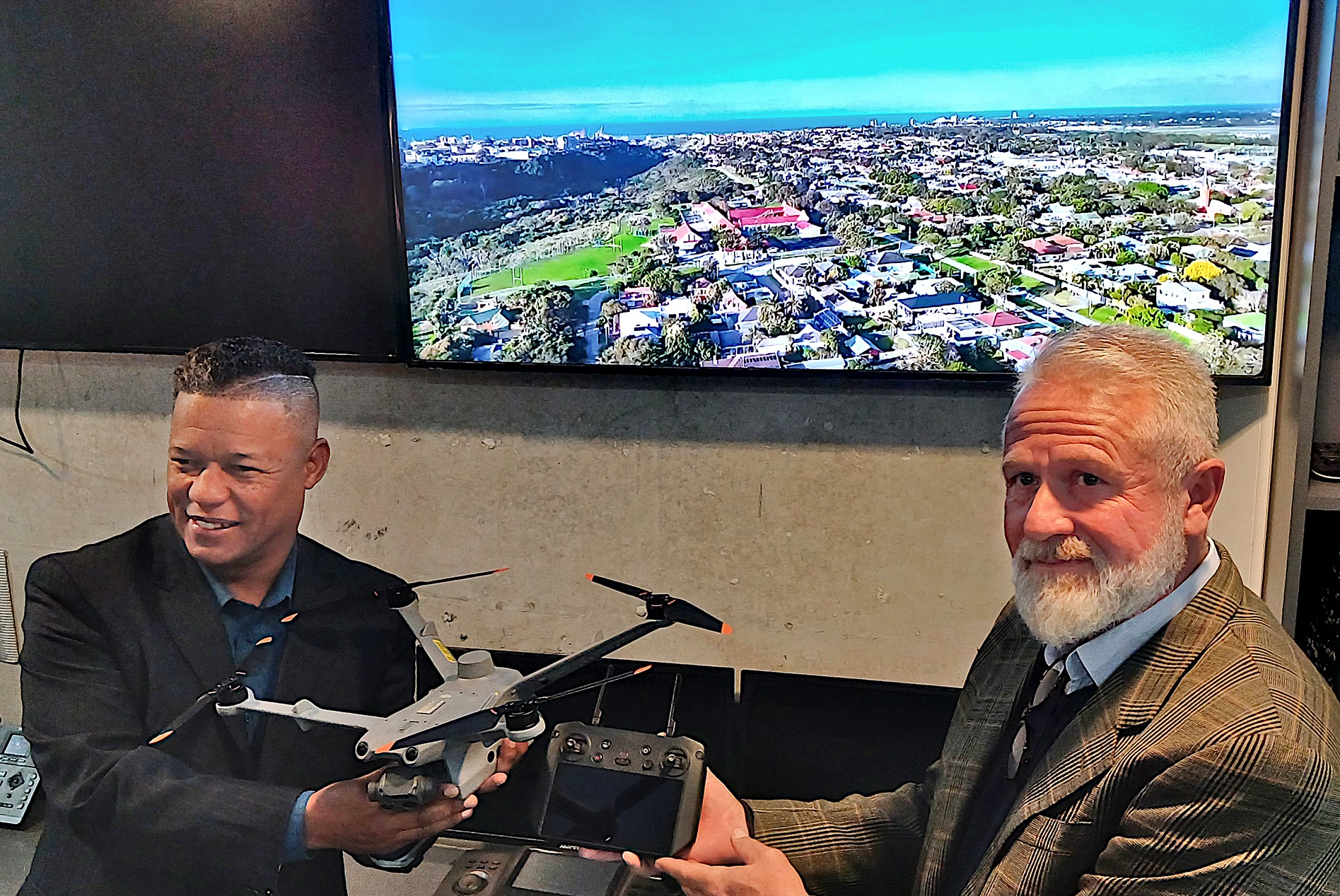
Nelson Mandela Bay is significantly upgrading its safety and security infrastructure to combat crime. The region has implemented a high-speed fiber network, a crucial component for enabling advanced surveillance technologies. This network supports hundreds of newly installed CCTV cameras strategically placed throughout the area. Complementing the CCTV network, a fleet of drones has also been deployed. These aerial assets are designed to provide real-time monitoring and rapid response capabilities. The integration of these technologies aims to sharpen the effectiveness of both crime-fighting and crime-prevention operations. This high-tech approach represents a significant investment in modernizing the region's law enforcement tools. The goal is to create a more comprehensive and responsive surveillance system to deter criminal activity and improve public safety.
The deployment of advanced surveillance technologies like drones and CCTV, supported by a high-speed fiber network, represents a strategic shift towards data-driven public safety in Nelson Mandela Bay. This technological augmentation aims to enhance law enforcement's situational awareness and response times. From a systems perspective, the effectiveness of such initiatives often hinges on the integration of data streams, the capacity for real-time analysis, and the ethical governance frameworks surrounding data privacy and usage. As AI capabilities advance, the potential for predictive policing and automated threat assessment increases, but so do concerns regarding algorithmic bias and civil liberties. The long-term success will likely depend on balancing enhanced security with robust oversight mechanisms and community trust.
AI-generated to prompt reflection — not editorial opinion, not advice, not a statement of fact. How this works.