Nelson Mandela's Enduring Legacy: A Masterclass in Strategic Resistance and Moral Leadership
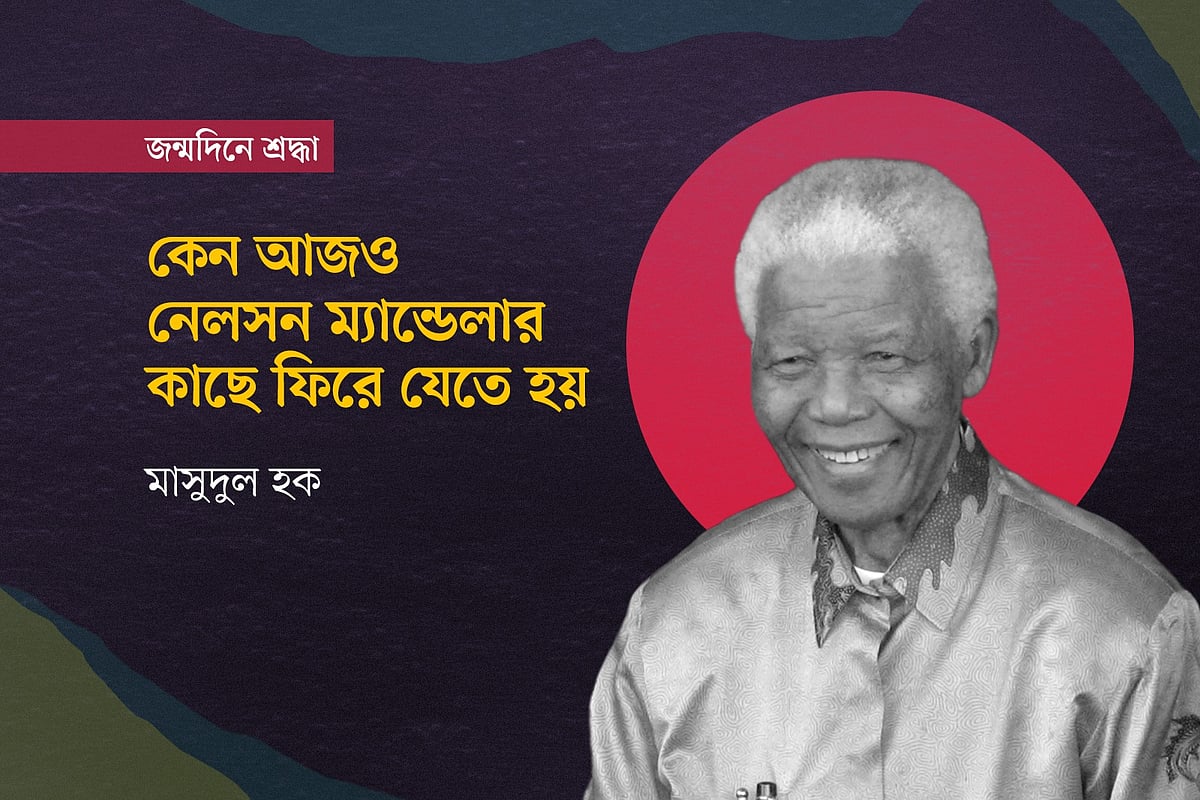
Nelson Mandela remains a towering figure, embodying moral conscience and a relentless pursuit of freedom, justice, and human dignity. His life teaches that liberation is an ongoing struggle for self-respect and equal rights, not merely a change of rulers. Mandela was not a mythical hero but a man of extraordinary patience, foresight, and ethical courage, dedicating his life to his nation's emancipation. His 1953 speech to the African National Congress in Transvaal, emphasizing that 'there is no easy road to freedom,' continues to inspire freedom fighters globally. This statement encapsulates his life's journey, acknowledging the inevitable setbacks, imprisonment, and oppression inherent in combating injustice, alongside the resilience to rise again.
Mandela's political thought was deeply shaped by the brutal reality of institutionalized apartheid in South Africa, enacted by the National Party in 1948. This system denied Black Africans fundamental human rights based on race, dictating every aspect of life from land ownership to movement and employment. Despite decades of peaceful appeals by the African National Congress, the government responded with increased repression, leading to the 1952 Defiance Campaign. This non-violent civil disobedience movement, initially involving just thirty-three volunteers, rapidly expanded across South Africa, uniting diverse groups including workers, professionals, students, and even some white sympathizers who believed obeying unjust laws was not a moral imperative.
Mandela recognized that the struggle for freedom is powered by ordinary people's participation, stressing the importance of organization, political education, and unity. He understood that true strength lies not in fiery speeches but in the collective consciousness of organized people. The government's brutal response, including mass arrests, job losses, and severe restrictions on leaders and public gatherings, led Mandela to adopt a pragmatic approach. He advocated for adapting strategies to evolving circumstances, reorganizing structures, and preparing the populace for sustained struggle, distinguishing him from many contemporaries. His personal journey, from his birth name Rolihlahla meaning 'one who causes trouble' to his legal studies and co-founding the ANC Youth League, solidified his commitment to transforming people into an active political force. Even imprisonment became a university, where he educated fellow inmates, underscoring his belief that knowledge is a primary weapon of freedom. Mandela's leadership demonstrated that true power lies in navigating harsh realities and reconstructing the path of struggle, not just in rousing the masses.
Nelson Mandela's strategic evolution from advocating for peaceful resistance to embracing armed struggle, as seen in the formation of Umkhonto we Sizwe after the 1960 Sharpeville massacre, offers a critical case study in asymmetrical conflict dynamics. When state apparatuses systematically close avenues for peaceful dissent and respond to non-violent protests with lethal force, the incentive structure for oppressed populations can shift dramatically towards more confrontational tactics. Mandela's insistence on maintaining ethical boundaries even within armed resistance highlights a persistent tension between strategic necessity and moral principles in liberation movements. This approach prompts reflection on the long-term sustainability of different resistance models, particularly in the context of future political transitions and the potential for state overreach in managing dissent.
AI-generated to prompt reflection — not editorial opinion, not advice, not a statement of fact. How this works.