Nepal and India Agree to Boost Electricity Exports to 1,650 MW
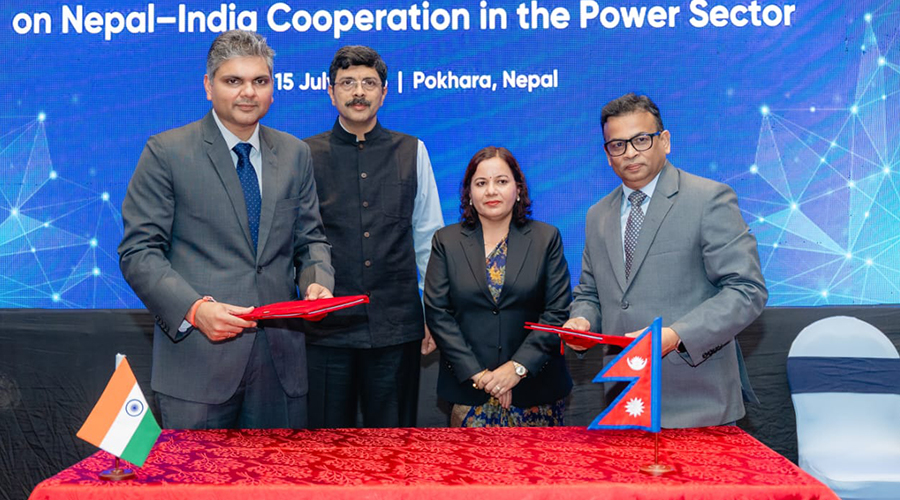
Nepal and India have reached an agreement to increase the amount of electricity exported from Nepal through two cross-border transmission lines. The decision was made during a meeting of the Joint Steering Committee (JSC) at the energy secretary level between the two nations. This agreement will allow Nepal to export a total of 1,650 megawatts (MW) of electricity. The Dhalkebar-Muzaffarpur transmission line is one of the key conduits for this increased export capacity. This development signifies a significant step in energy cooperation between Nepal and India, potentially enhancing Nepal's revenue from electricity sales and contributing to regional energy security. The agreement underscores the growing capacity of Nepal's power generation sector and its ability to meet export demands.
The agreement to increase electricity exports from Nepal to India reflects a maturing energy market dynamic, where Nepal is leveraging its hydropower potential to become a regional energy supplier. This move is likely driven by Nepal's increasing generation capacity and India's demand for power, particularly during peak seasons. From a systemic perspective, this enhances Nepal's economic leverage and reduces its reliance on imported energy. However, long-term sustainability will depend on Nepal's ability to consistently manage its generation resources, invest in grid infrastructure, and navigate the complex bilateral energy trade agreements. The focus on cross-border transmission lines highlights the critical role of infrastructure in unlocking the economic benefits of renewable energy resources in the coming decade.
AI-generated to prompt reflection — not editorial opinion, not advice, not a statement of fact. How this works.