Nepal and India Agree to Export 1650 MW Electricity via Dhalkebar-Muzaffarpur Transmission Line
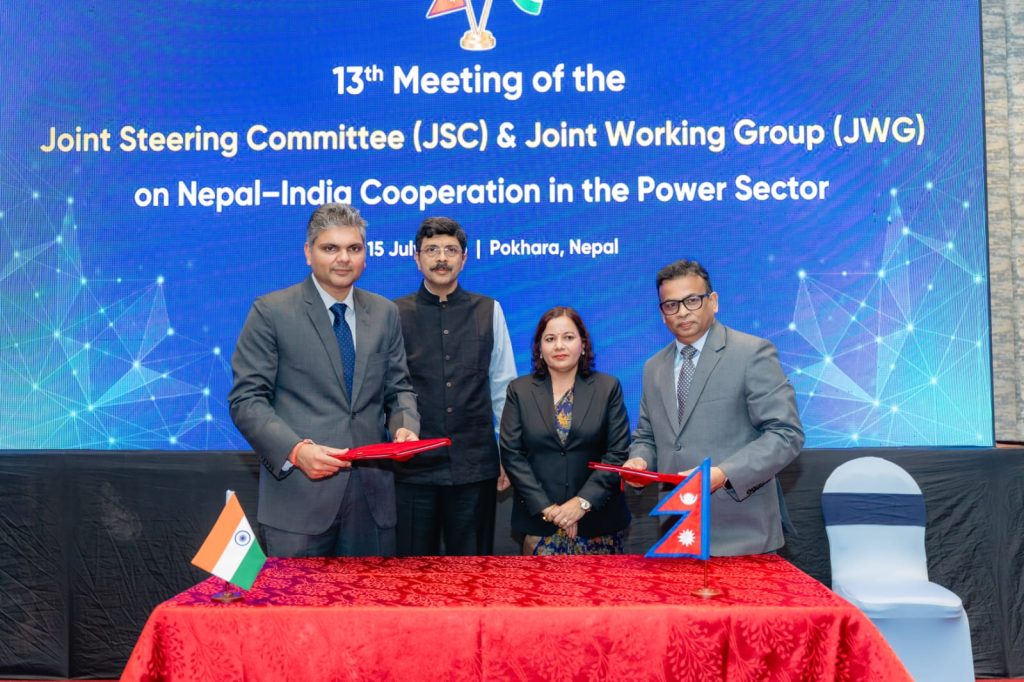
Nepal and India have reached an agreement to export 1650 megawatts (MW) of electricity through the Dhalkebar-Muzaffarpur 400 kV cross-border transmission line. Currently, this line facilitates the import of 1000 MW and the export of 1100 MW of electricity. The new agreement signifies a substantial increase in Nepal's electricity export capacity, enhancing energy trade between the two South Asian nations. This development is expected to bolster Nepal's revenue streams and contribute to regional energy security. The increased export capacity underscores the growing importance of the Dhalkebar-Muzaffarpur line as a critical infrastructure for cross-border power exchange. Further details on the implementation timeline and specific terms of the agreement are anticipated.
The agreement to increase electricity exports from Nepal to India via the Dhalkebar-Muzaffarpur transmission line highlights evolving energy dynamics in South Asia. This expansion reflects Nepal's increasing hydropower generation capacity and India's demand for electricity, creating a mutually beneficial trade relationship. From a systemic perspective, such cross-border energy infrastructure is crucial for regional stability and economic development, allowing for efficient resource allocation and potentially reducing reliance on fossil fuels. The long-term implications may involve further integration of national power grids, fostering greater energy independence and resilience across the region in the face of fluctuating global energy markets and the imperative of decarbonization.
AI-generated to prompt reflection — not editorial opinion, not advice, not a statement of fact. How this works.