Nepal Banks Hoard Cash While Poor Struggle to Access Loans
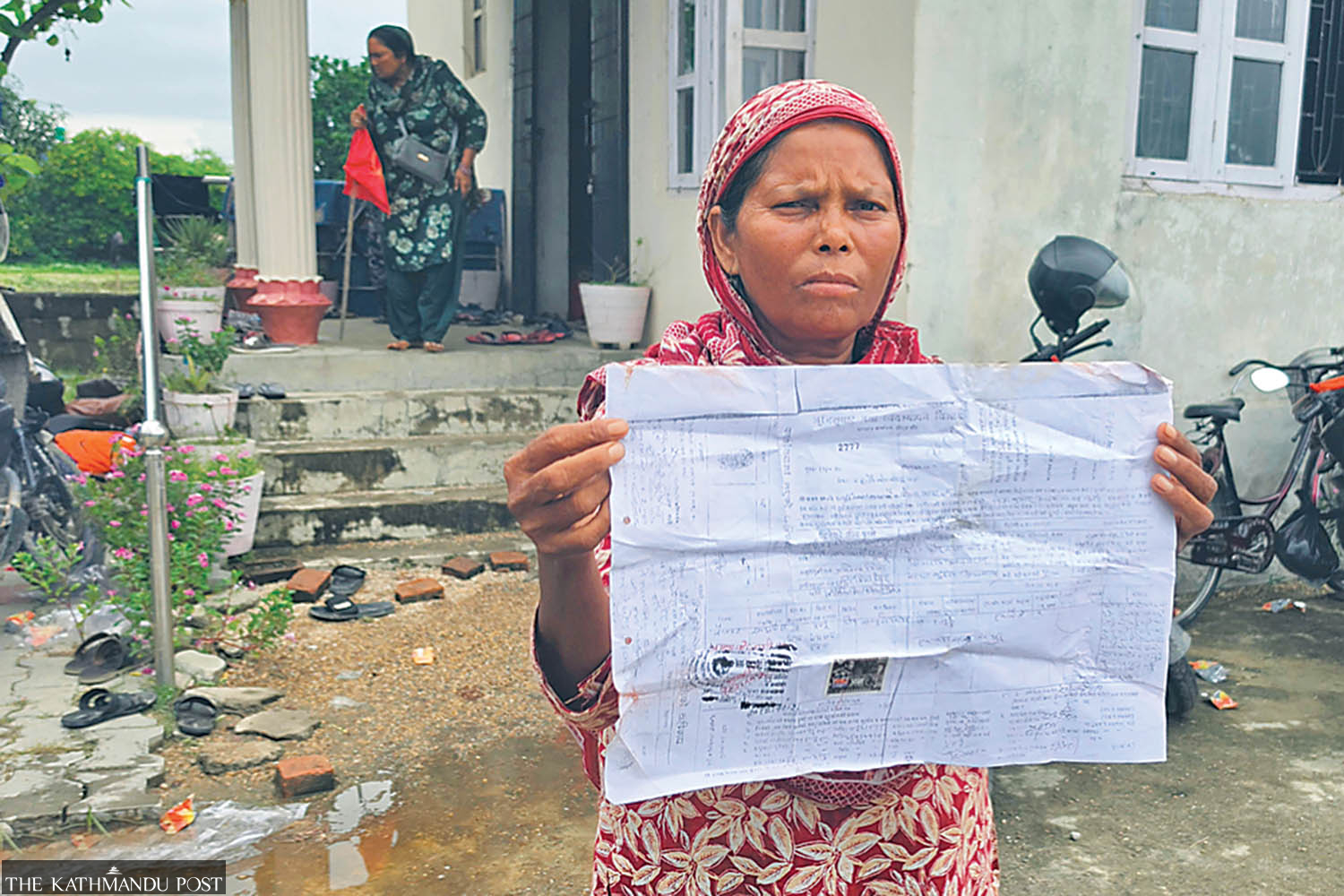
Nepalese banks are currently holding a record amount of excess liquidity, meaning they have more cash on hand than they are lending out. Despite this abundance of funds, vulnerable borrowers in Nepal are finding it extremely difficult to access loans from these institutions. The primary barriers are identified as complex and burdensome paperwork requirements and stringent collateral demands. Consequently, many individuals and small businesses in need of financial assistance are being forced to turn to predatory lenders. These informal lenders often charge exorbitant interest rates, trapping borrowers in cycles of debt. This situation highlights a significant disconnect between the financial sector's capacity and the needs of the economically disadvantaged population in Nepal.
The current liquidity surplus within Nepalese banks, juxtaposed with the inability of vulnerable populations to access credit, suggests a structural inefficiency in the financial system. Complex procedural hurdles and high collateral demands effectively create a de facto rationing of credit, favoring established entities over those in need. This market failure incentivizes the proliferation of informal, high-cost lending, exacerbating economic inequality. Future financial sector reforms could explore mechanisms to de-risk lending to small-scale borrowers, streamline application processes, and potentially leverage technology to broaden financial inclusion, thereby mitigating the reliance on predatory lenders and fostering more equitable economic development.
AI-generated to prompt reflection — not editorial opinion, not advice, not a statement of fact. How this works.