Nepal Burn Survivors Demand Legal Reforms for Equitable Justice
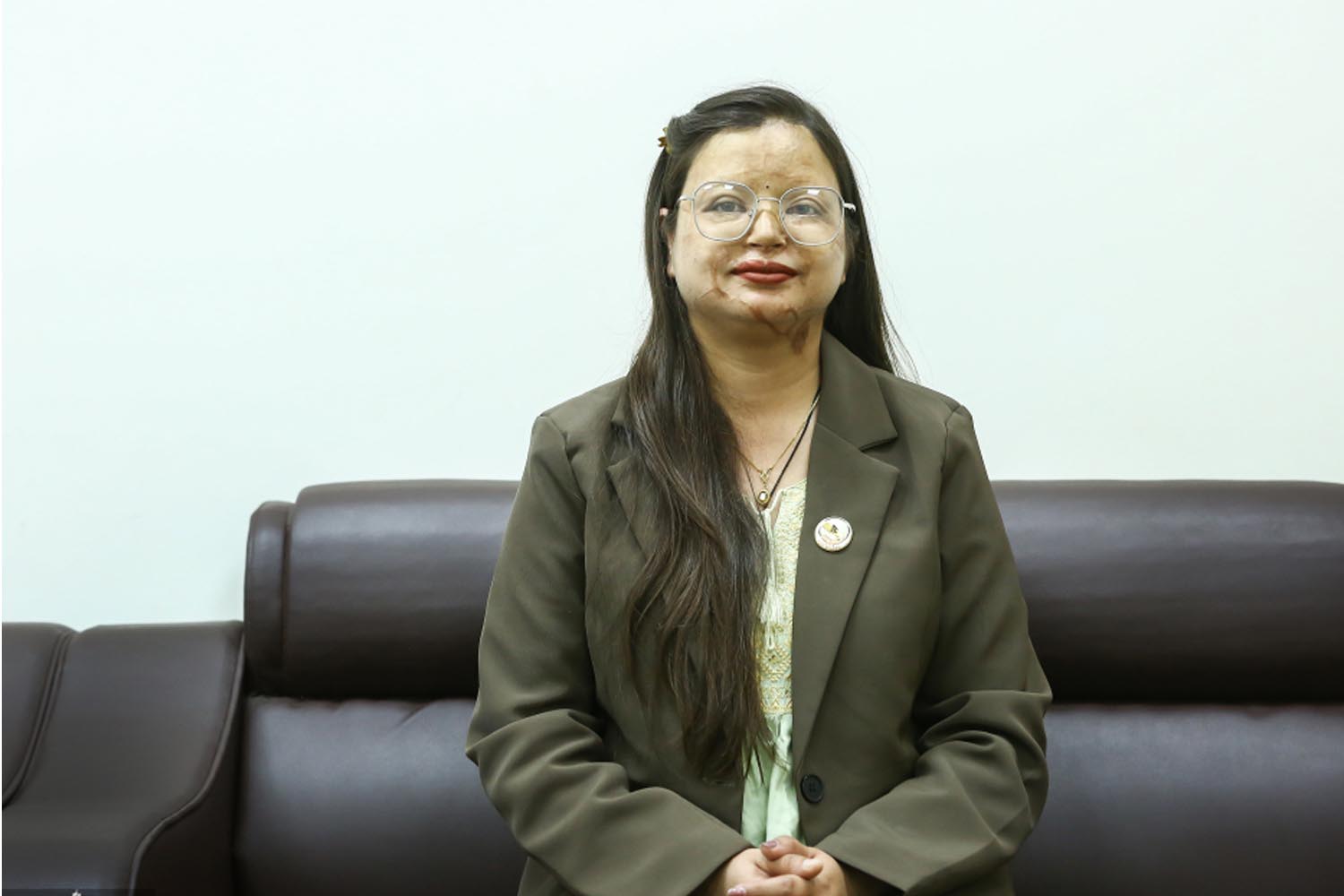
Survivors of burn violence and human rights advocates in Nepal are calling for significant legal reforms, arguing that current laws inadequately protect and compensate victims. They contend that the legal framework differentiates between victims based on the method of burning, leading to unequal treatment. This disparity results in many survivors not receiving sufficient protection, compensation, or rehabilitation services. The advocates emphasize that the existing laws fail to provide a comprehensive and fair system for all burn victims, regardless of the circumstances of their injury. They are pushing for a unified legal approach that ensures equitable access to justice, support, and recovery for everyone affected by burn violence. The movement aims to address the systemic failures in the current legal structure and advocate for a more inclusive and effective legislative response.
The push for legal reform in Nepal highlights a critical governance challenge: ensuring equitable application of justice and social support across diverse victim experiences. Current legal frameworks, by differentiating treatment based on the method of harm, may inadvertently create systemic disadvantages for certain survivor groups. This approach could stem from historical legislative priorities or a lack of comprehensive understanding of the multifaceted needs of burn survivors. Moving forward, Nepal's legal system faces the opportunity to evolve towards a more inclusive model that prioritizes universal victim rights and rehabilitation, aligning with global trends in restorative justice and human rights protection. Such a reform could foster greater social equity and reinforce the state's commitment to all its citizens.
AI-generated to prompt reflection — not editorial opinion, not advice, not a statement of fact. How this works.