Nepal: Call to Address Divisive Online Content
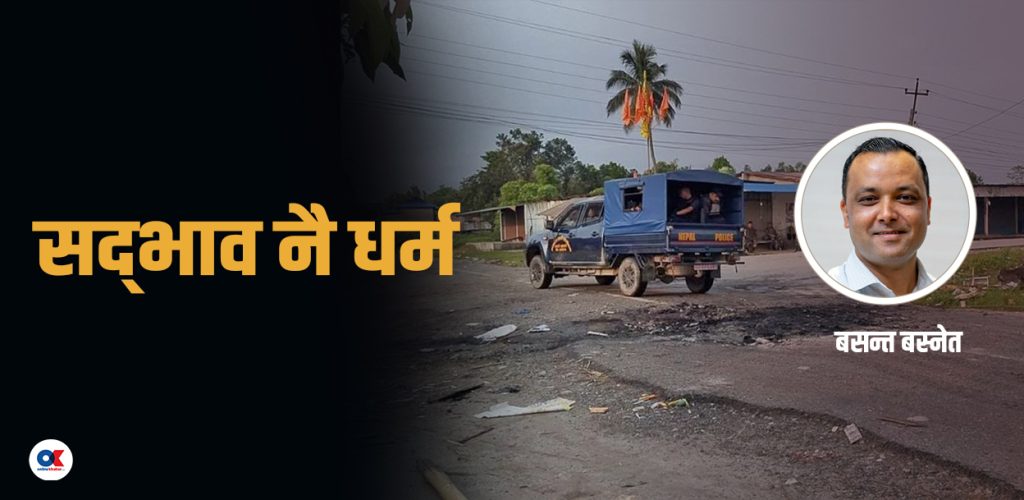
This news item addresses the issue of divisive content being spread online, particularly through video reels. It suggests that understanding this problem requires looking beyond isolated incidents like loud DJ sound during Bolbam celebrations or specific actions during Muharram. The author calls for identifying individuals within various political parties, including the Nepali Congress, Communist parties, Rastriya Swatantra Party (RSP), and Rastriya Prajatantra Party (RPP), who are allegedly spreading toxic sentiments. The piece implies a need to recognize and address the role of these political actors in fueling online discord.
The proliferation of 'toxic sentiments' on social media platforms, as described in the article, highlights a growing challenge for political discourse in Nepal and globally. The piece points to the potential for online content, amplified through video reels, to exacerbate societal divisions. Identifying specific political actors involved suggests a concern about the deliberate use of digital channels for partisan or ideological manipulation. Addressing this issue effectively will likely require a multi-faceted approach, potentially involving media literacy initiatives, platform accountability measures, and a commitment from political parties to foster more constructive online engagement. The long-term impact on democratic processes and social cohesion warrants careful consideration as digital communication continues to evolve.
AI-generated to prompt reflection — not editorial opinion, not advice, not a statement of fact. How this works.