Nepal Central Bank Allows Use of Indian 200 and 500 Rupee Notes
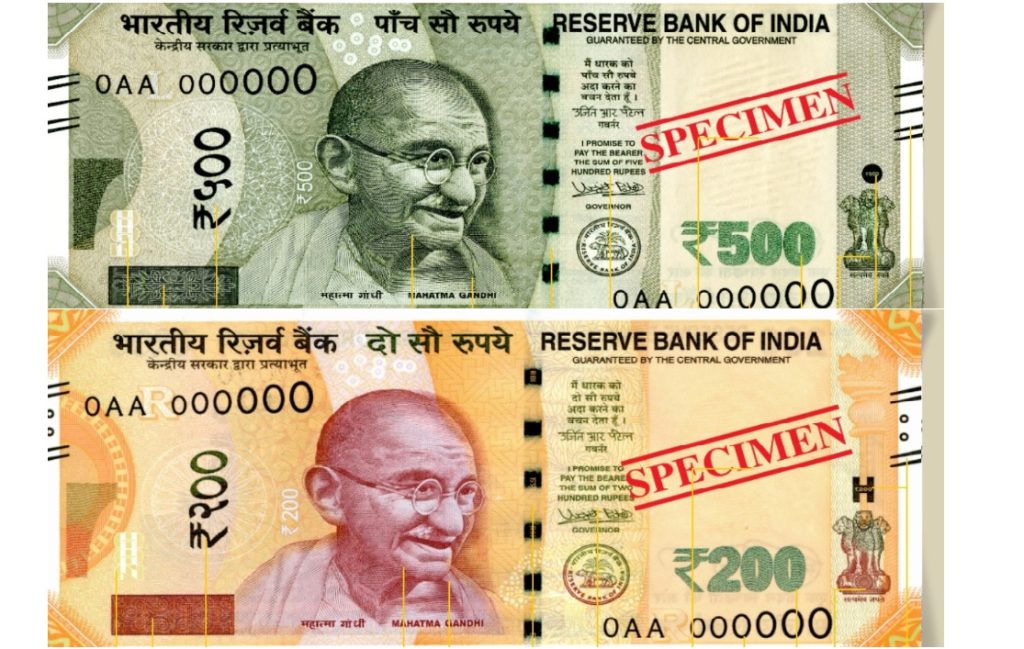
Nepal Rastra Bank, the central bank of Nepal, has officially permitted the circulation and use of Indian 200 and 500 rupee notes. The central bank has completed the necessary procedural arrangements to enable the use of these denominations. According to the central bank, Indian rupee notes up to 500 denominations, issued after November 9, 2016, can now be brought into Nepal or taken to India. This decision aims to facilitate financial transactions and ease for individuals and businesses dealing with Indian currency within Nepal. Previously, the circulation of certain Indian banknote denominations was restricted, causing inconvenience. The new regulation is expected to streamline cross-border financial activities and support tourism between Nepal and India. The central bank's move signifies a step towards greater financial integration and cooperation between the two neighboring countries. Further details on the specific quantities and conditions for carrying these notes are expected to be clarified by the central bank.
The Nepal Rastra Bank's decision to officially permit the use of Indian 200 and 500 rupee notes issued after November 2016 reflects an effort to harmonize financial regulations with India, a key economic partner. This move likely aims to reduce informal currency exchange issues and support cross-border commerce and tourism by providing greater certainty for individuals and businesses. From a systemic perspective, aligning currency regulations with major trading partners can enhance financial stability and reduce transaction friction, potentially boosting economic activity. However, it also raises questions about the long-term strategy for Nepal's own currency sovereignty and the management of foreign exchange reserves in an increasingly integrated regional economy. The central bank's proactive management of these cross-border financial flows will be crucial in navigating the evolving economic landscape.
AI-generated to prompt reflection — not editorial opinion, not advice, not a statement of fact. How this works.