Nepal Central Bank Predicts Budget to Absorb Excess Liquidity
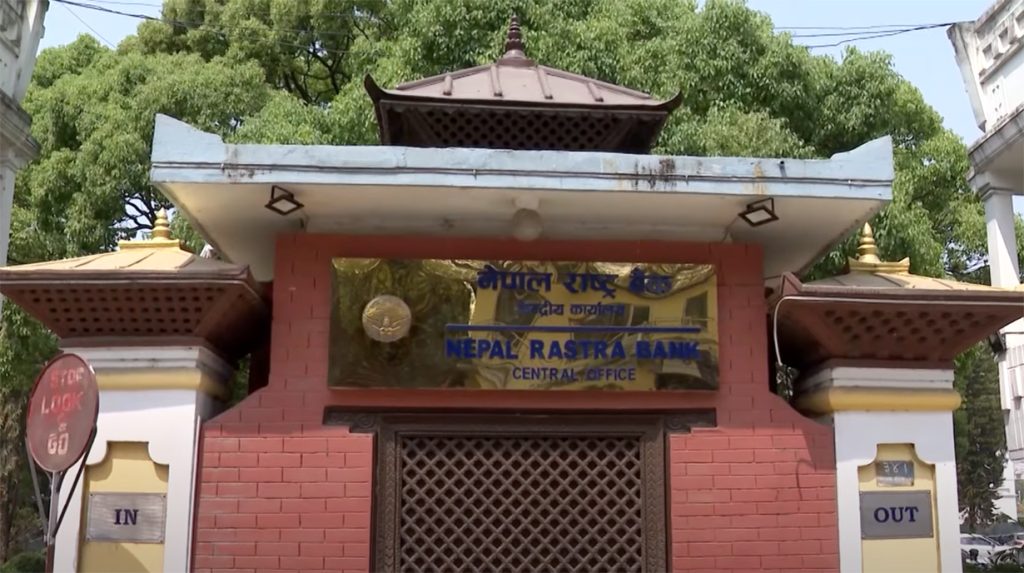
Nepal's central bank anticipates that the excess liquidity currently present in the financial sector will be absorbed once the budget for the upcoming fiscal year, starting from July 17, 2024, is implemented. The central bank's analysis indicates that increased public spending, reductions in income tax, and proposed economic reform programs within the budget are expected to drive this consumption of liquidity. This projection is a key consideration for the forthcoming monetary policy for the fiscal year 2083/84 (2024/25). The current excess liquidity has been a notable feature of the financial landscape. The central bank's proactive stance aims to manage these funds effectively. The budget's expansionary fiscal measures are designed to stimulate economic activity. Consequently, a portion of the surplus funds is expected to flow into productive investments and consumption. This strategic approach by the central bank seeks to maintain financial stability while supporting economic growth.
The central bank's projection suggests a reliance on fiscal policy, specifically budget implementation, to manage monetary conditions. This approach highlights a potential interdependence between fiscal and monetary authorities in Nepal. The effectiveness of this strategy will depend on the timely and efficient execution of budget expenditures and the actual impact of tax cuts and reform programs on economic activity. Over-reliance on budget spending to absorb liquidity could also signal underlying structural issues in credit demand or investment opportunities within the economy. Future monetary policies will likely need to balance the absorption of excess liquidity with the need to support sustainable economic growth and manage inflationary pressures, particularly in the context of evolving global economic trends and domestic development priorities.
AI-generated to prompt reflection — not editorial opinion, not advice, not a statement of fact. How this works.