Nepal Central Bank to Increase Loan Limits for Larger Electric Vehicles
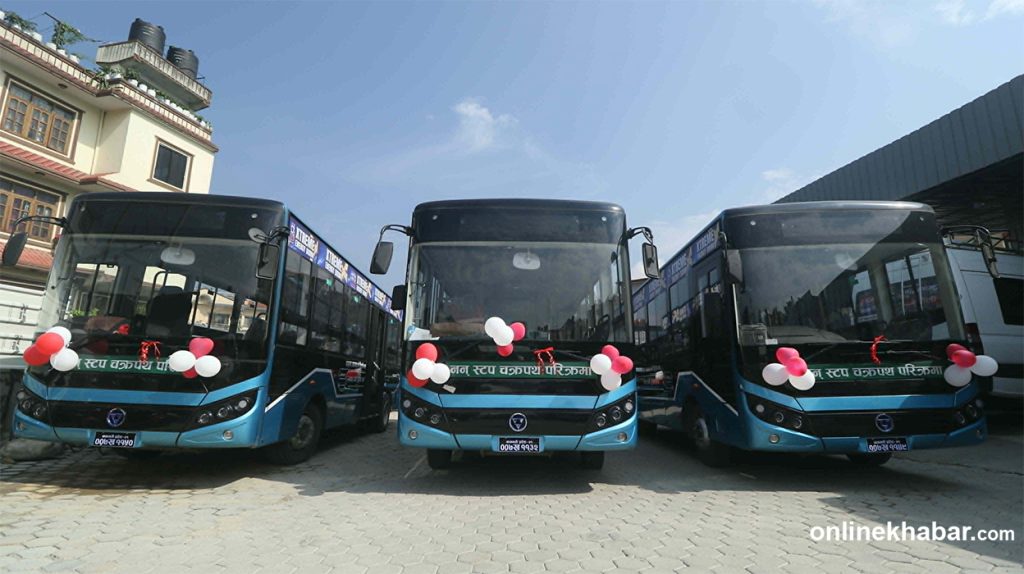
The Nepal Rastra Bank (NRB) has announced plans to increase the loan-to-value ratio for larger electric vehicles. This adjustment is set to be implemented through the monetary policy for the upcoming fiscal year. The central bank aims to facilitate access to financing for these vehicles. Currently, the loan-to-value ratio for electric vehicles and other private-use personal vehicles stands at 60 percent. The revision is expected to make purchasing larger electric vehicles more accessible to consumers. This move aligns with broader efforts to encourage the adoption of electric mobility within the country. Further details on the specific new ratios are anticipated with the official release of the monetary policy. The NRB's decision reflects a strategic approach to promoting sustainable transportation solutions.
The Nepal Rastra Bank's decision to ease loan-to-value ratios for larger electric vehicles signals a strategic pivot towards incentivizing sustainable transportation infrastructure. By reducing the upfront financial burden, the central bank aims to stimulate demand and accelerate the transition away from fossil fuel-dependent vehicles. This policy adjustment could foster growth in the electric vehicle market, potentially attracting new investments and supporting related industries. Looking ahead, the long-term success will depend on complementary factors such as charging infrastructure development, electricity grid capacity, and consumer education. The NRB's action represents a proactive measure to align national economic policy with global environmental imperatives and technological advancements in the automotive sector.
AI-generated to prompt reflection — not editorial opinion, not advice, not a statement of fact. How this works.