Nepal-China Border Trade Resumes with New Restrictions on Pilgrimage
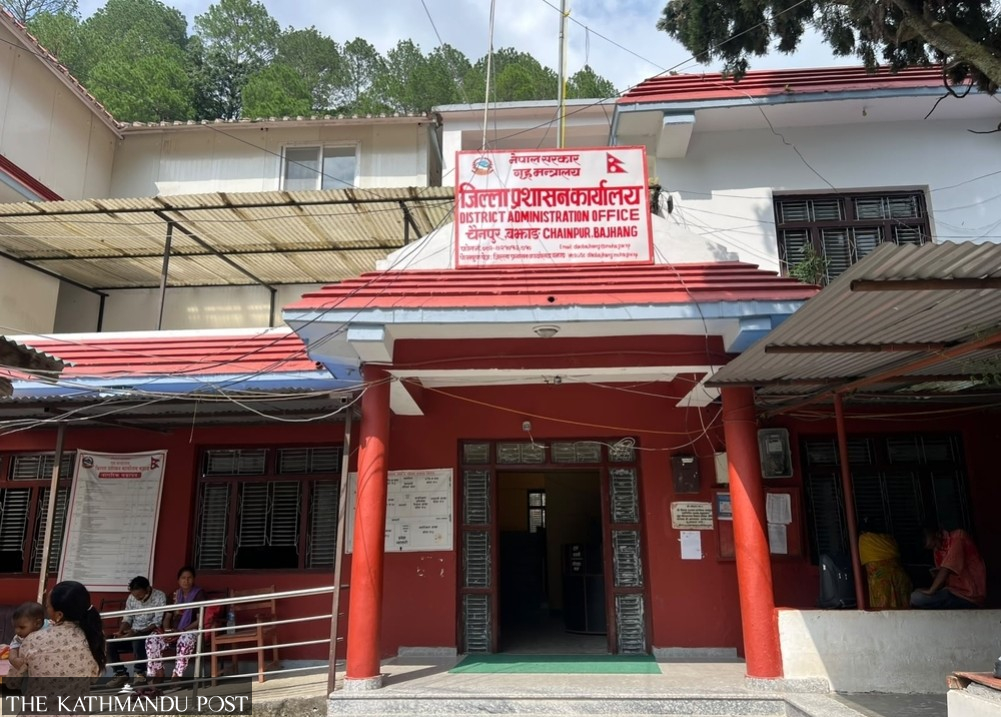
Fifty-seven residents from Bajhang, Nepal, have successfully obtained border passes to engage in trade with Tibet, China. This marks a resumption of trade activities across the Taklakot border. However, despite the easing of trade restrictions, China has implemented stringent travel regulations that continue to prevent pilgrims from accessing the sacred Lake Manasarovar. The new rules appear to prioritize trade over religious tourism, significantly impacting the ability of devotees to visit the holy site. This situation highlights a dual approach by Chinese authorities, facilitating economic exchange while maintaining tight control over cultural and religious access.
The resumption of trade between Bajhang, Nepal, and Tibet, China, indicates a pragmatic approach to economic engagement, prioritizing cross-border commerce. However, the simultaneous tightening of access to Lake Manasarovar reveals a strategic balancing act by Chinese authorities, likely driven by a combination of factors including border security, resource management, and potentially a desire to control narratives surrounding sensitive cultural sites. This policy divergence suggests that while economic interdependence is encouraged, access to culturally significant locations remains under strict state supervision, reflecting broader geopolitical trends of managed openness. The long-term implications may involve a bifurcated relationship where economic ties flourish under controlled conditions, while cultural and religious exchanges face persistent limitations, potentially creating friction with neighboring communities and international religious groups.
AI-generated to prompt reflection — not editorial opinion, not advice, not a statement of fact. How this works.