Nepal Court Sentences 16 in Fake Refugee Scam, Citing Tarnished International Image
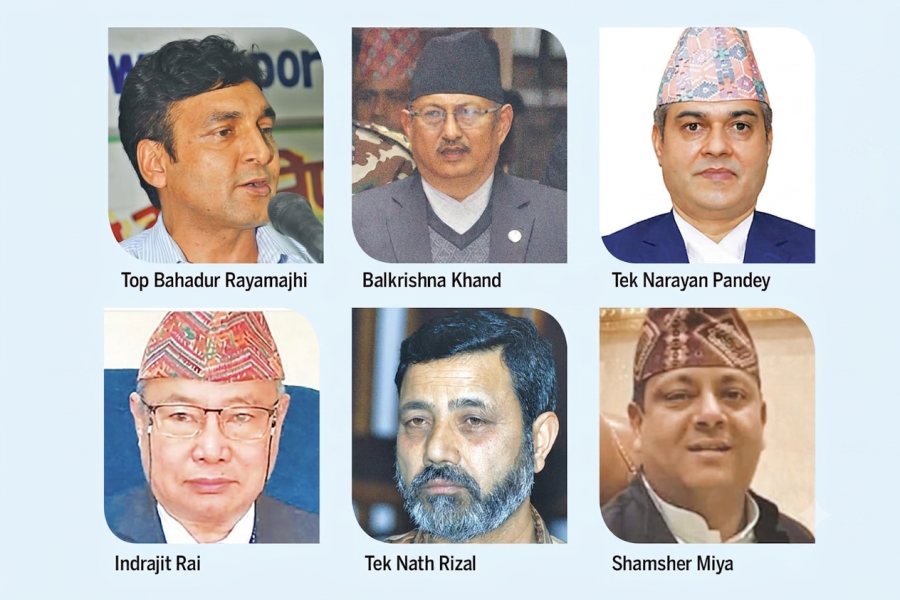
A district court in Nepal has handed down prison sentences to 16 individuals convicted in a large-scale "fake Bhutanese refugee scam." Tularam Rayamajhi received a four-year prison term, while Balkrishna Khand was sentenced to two years. The court found that the organized fraud not only deceived numerous victims but also severely damaged Nepal's international reputation. The judges emphasized that such activities constitute offenses against the state, undermining national integrity and trust. The scam involved fraudulent schemes to help people illegally obtain refugee status, leading to significant financial losses for many aspiring migrants. The ruling highlights the judiciary's stance against organized crime that exploits vulnerable individuals and harms the country's standing on the global stage. This case underscores the challenges Nepal faces in combating sophisticated fraud networks. The court's decision aims to deter future criminal activities and restore confidence in the country's legal and administrative systems. The sentences reflect the gravity of the crimes committed and their far-reaching consequences.
The district court's sentencing in the fake refugee scam case underscores the critical intersection of national security, international reputation, and organized crime. By framing the offenses as detrimental to Nepal's global standing, the judiciary signals a recognition that such fraudulent activities can have significant geopolitical and economic repercussions. This perspective suggests a move towards viewing transnational crime not merely as a financial or individual matter, but as a systemic threat that requires robust state-level responses. The court's emphasis on offenses against the state implies a need for enhanced governance and regulatory oversight to prevent the exploitation of immigration and refugee systems for illicit gain. Looking ahead, the case may prompt a review of border control mechanisms, inter-agency cooperation, and anti-corruption frameworks to safeguard Nepal's image and protect its citizens and international partners from such deceptive practices.
AI-generated to prompt reflection — not editorial opinion, not advice, not a statement of fact. How this works.