Nepal Electricity Authority Extends Commercial Operation Deadlines for Hydropower Projects
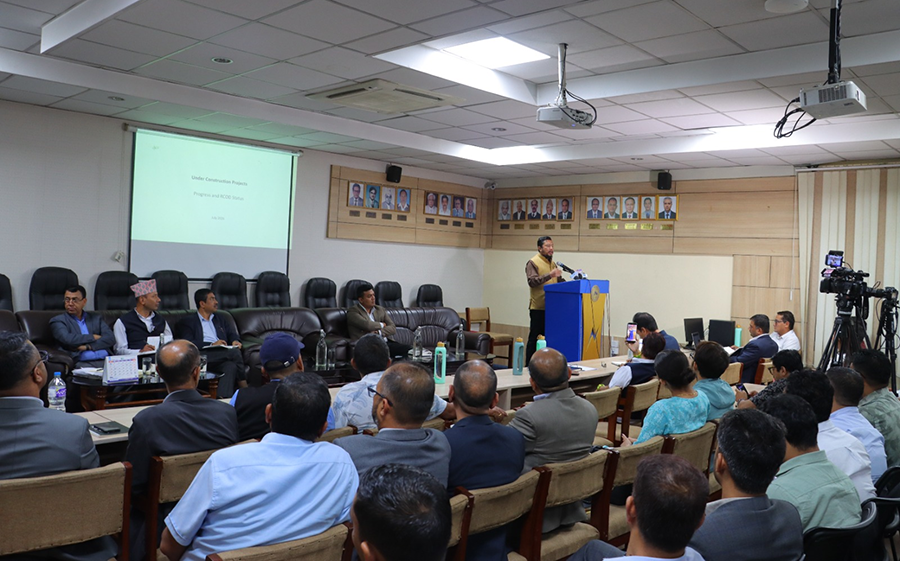
The Nepal Electricity Authority (NEA) has initiated a process to extend the commercial operation deadlines (RCOD) for hydropower projects that have already signed Power Purchase Agreements (PPAs) but are facing delays in commencing commercial production. These projects are currently in various stages of construction and have not met their original scheduled operational dates. To manage these extensions, the NEA has implemented a new policy that categorizes these projects into four distinct groups based on clear criteria. This classification aims to provide a structured approach to evaluating and granting deadline extensions. The move is expected to offer some relief to developers facing construction hurdles and market uncertainties. The specific criteria for each of the four groups and the corresponding extension policies are detailed by the authority. This initiative reflects the NEA's efforts to balance project development timelines with energy demand and supply management. The authority's decision aims to ensure that viable projects can eventually come online, contributing to the national grid, while also addressing the challenges faced by developers. The process is now moving forward with these defined categories.
The Nepal Electricity Authority's decision to extend commercial operation deadlines for hydropower projects highlights the complex interplay between infrastructure development timelines, regulatory frameworks, and the realities of project execution. By introducing a four-group classification system, the NEA is attempting to bring greater objectivity and predictability to a process that may have previously been ad hoc. This structured approach could mitigate risks for both developers and the national grid by providing clearer pathways for projects facing unforeseen delays. The policy's success will depend on the transparency and fairness of the classification criteria and the authority's consistent application of these standards. Looking ahead, such mechanisms are crucial for fostering a stable investment environment in renewable energy, particularly as Nepal aims to harness its significant hydropower potential while navigating evolving technological and economic landscapes.
AI-generated to prompt reflection — not editorial opinion, not advice, not a statement of fact. How this works.