Nepal Establishes Ethanol Quality Standards for Biofuel Blending
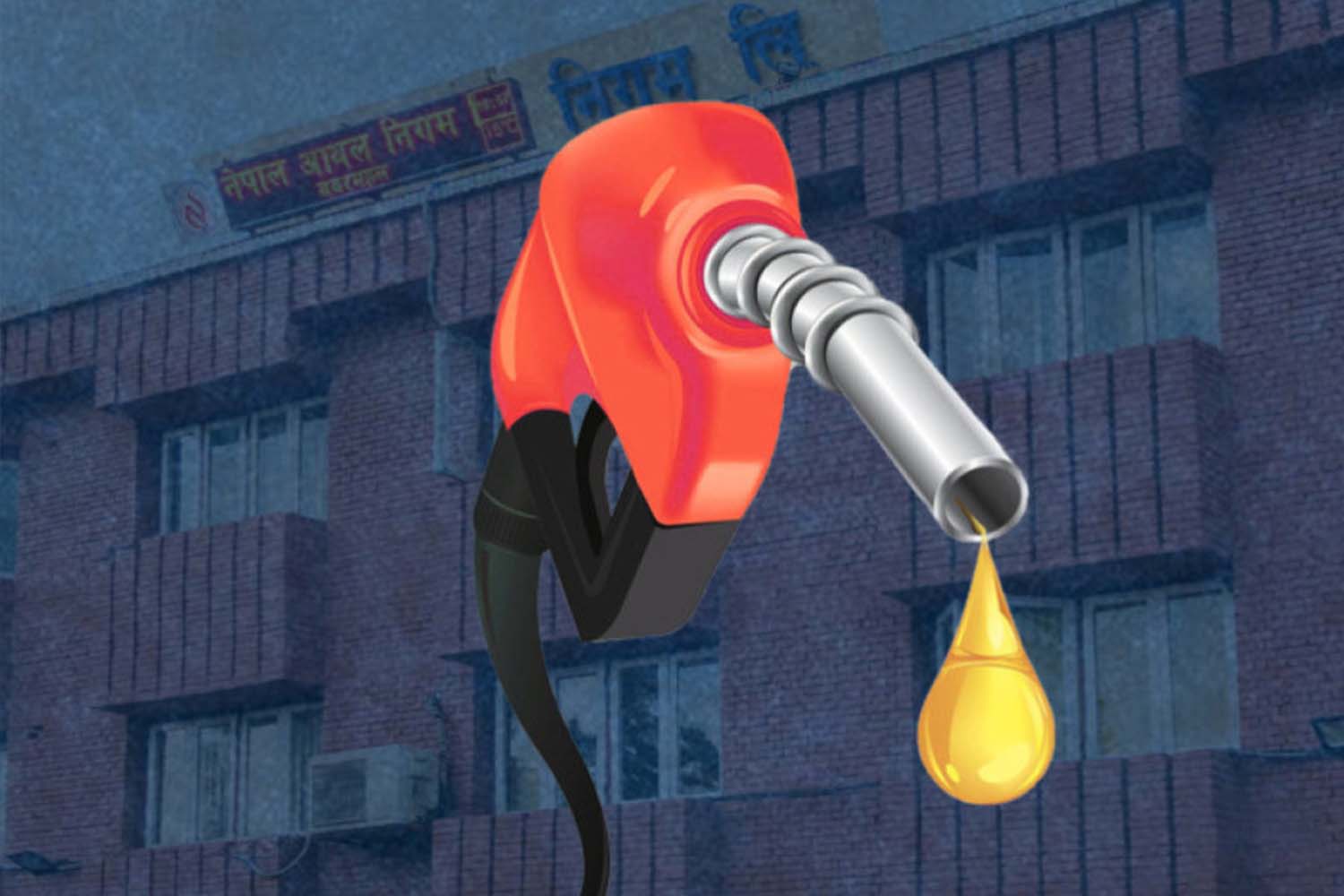
Nepal is moving forward with plans to blend up to 10 percent biofuel into its petrol supply. To ensure the quality of the fuel, the country is proposing new standards for ethanol purity. These regulations specify that ethanol used for blending must achieve a purity level of 99.5 percent. The primary objectives behind this initiative are to decrease Nepal's reliance on imported fuels and to stimulate the growth of its domestic biofuel production sector. This move is a significant step towards enhancing energy security and promoting sustainable energy practices within the nation.
Nepal's initiative to establish ethanol quality standards for petrol blending reflects a strategic effort to manage energy imports and foster domestic industry. By setting a 99.5% purity benchmark, the government aims to ensure product consistency and potentially mitigate risks associated with lower-quality biofuels. This policy could incentivize local agricultural sectors to produce feedstock for ethanol, thereby creating economic opportunities and reducing foreign exchange expenditure on fuel. However, the success of this rollout will depend on robust regulatory oversight, the availability of sufficient domestic production capacity, and the integration of these new fuel blends into existing distribution networks without compromising vehicle performance or consumer safety.
AI-generated to prompt reflection — not editorial opinion, not advice, not a statement of fact. How this works.