Nepal Faces Gas Shortage Amidst Policy Shifts and Consumer Panic
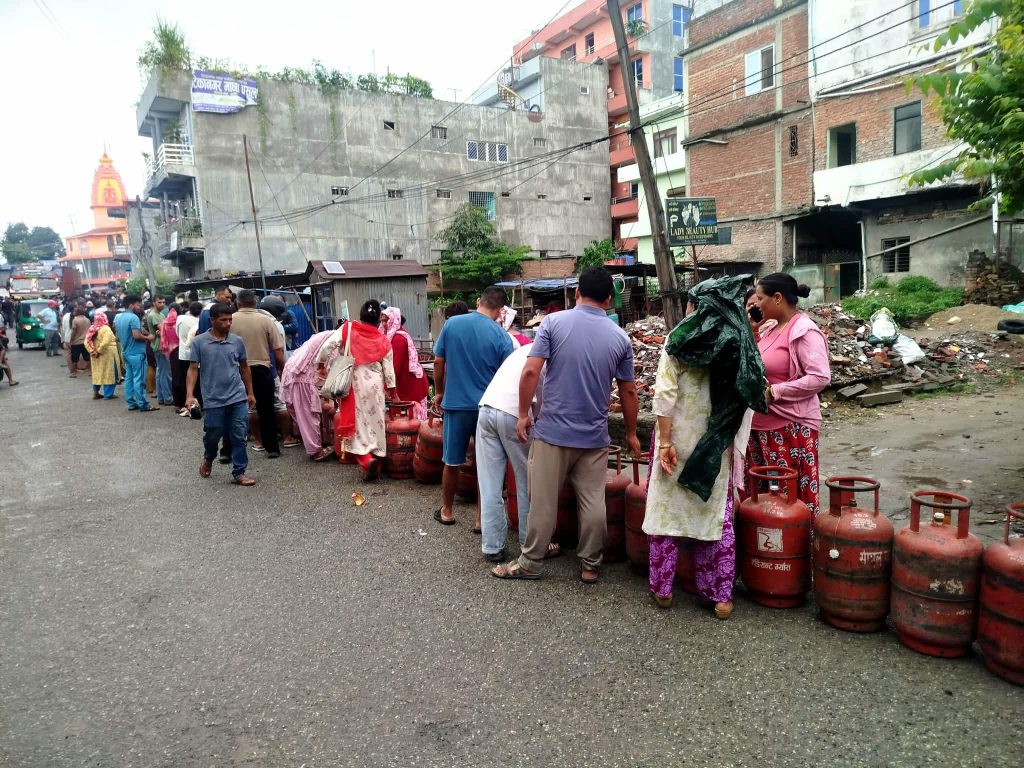
Nepal is experiencing a significant gas shortage, primarily attributed to a confluence of factors. The government's failure to adequately assess the market impact of its revised gas distribution policy is a key contributor. Furthermore, businesses have struggled to implement a balanced distribution system, exacerbating the scarcity. Adding to the problem, consumers, driven by fear and panic, are hoarding more gas cylinders than they immediately need. This hoarding behavior, stemming from anxiety about future availability, has created artificial demand. The situation highlights a breakdown in communication and planning between government agencies, distributors, and the public. Addressing the shortage requires a multi-pronged approach that tackles policy implementation, distribution logistics, and consumer confidence.
The recent gas shortage in Nepal appears to be a systemic failure rather than an isolated incident. The government's policy changes, implemented without sufficient foresight into market dynamics, suggest a gap in regulatory planning and risk assessment. The inability of businesses to ensure equitable distribution points to potential inefficiencies or a lack of robust supply chain management. Consumer panic, while understandable in times of scarcity, can amplify shortages through hoarding, creating a feedback loop. Moving forward, Nepal could benefit from more integrated policy development that includes scenario planning and stakeholder consultation. Enhancing transparency in distribution and implementing measures to stabilize consumer confidence will be crucial in preventing future occurrences of such shortages, especially as the nation navigates evolving economic and logistical challenges.
AI-generated to prompt reflection — not editorial opinion, not advice, not a statement of fact. How this works.