Nepal Faces High Road Accident Fatalities Due to Delayed Care
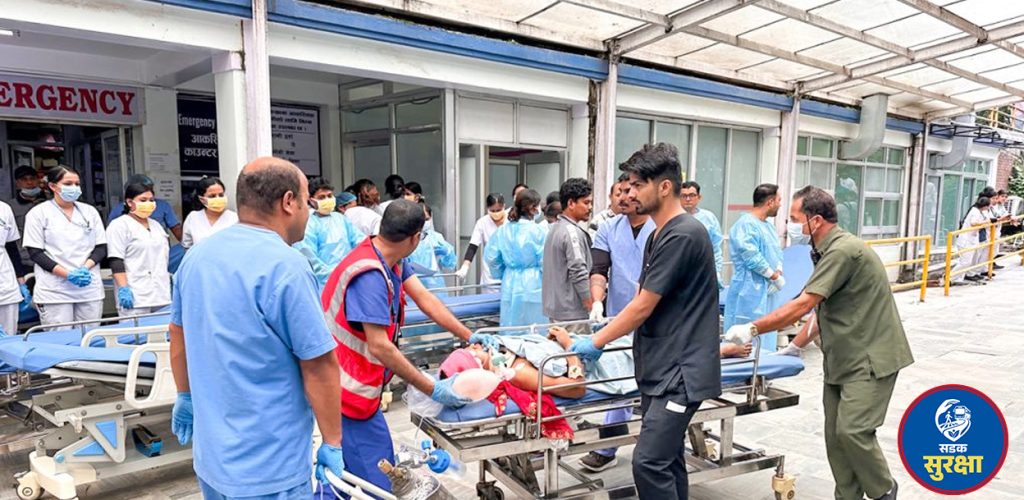
A significant number of deaths in Nepal following road accidents are not solely due to the severity of injuries. Instead, a critical factor is the lack of timely primary treatment, delays in reaching hospitals, a shortage of trained rescue personnel, and an underdeveloped pre-hospital care system. The crucial period between the accident and arrival at a medical facility has become the most significant challenge in Nepal. This delay in accessing emergency medical services contributes substantially to the overall mortality rate from road traffic incidents. Improving the efficiency and accessibility of emergency response is paramount to saving lives. The current infrastructure and training levels for rescue and immediate medical intervention are insufficient to meet the demand. Addressing these systemic issues is essential for reducing preventable deaths on Nepalese roads.
The high fatality rate from road accidents in Nepal, exacerbated by delays in medical care, highlights a critical public health infrastructure gap. The challenge lies not just in the immediate aftermath of an accident but in the systemic capacity to provide timely and effective pre-hospital intervention. This situation points to potential inefficiencies in resource allocation, emergency service coordination, and the training of medical and rescue personnel. Addressing this requires a multi-faceted approach, potentially involving investments in emergency medical technology, expanded training programs, and improved communication networks for faster response times. The long-term implications for Nepal's development and societal well-being are significant, as preventable deaths strain healthcare resources and impact economic productivity.
AI-generated to prompt reflection — not editorial opinion, not advice, not a statement of fact. How this works.