Nepal Faces Influx of Rohingya, Pakistani, and Somali Refugees, Says IGP Karki
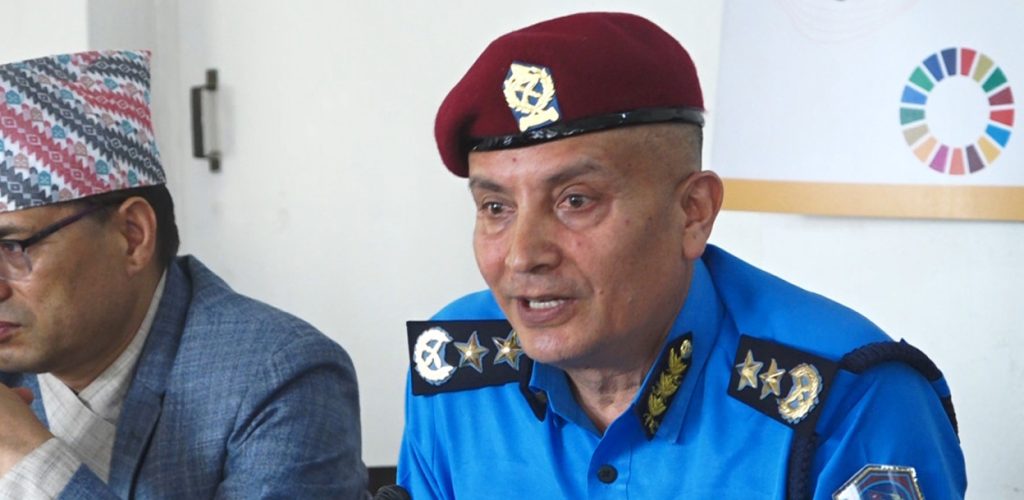
Inspector General of Police (IGP) Dan Bahadur Karki stated that open borders, illegal refugee entry, and a lack of legal jurisdiction are significant challenges to border security in Nepal. Speaking at a meeting of the Federalism Strengthening and National Concerns Committee held in Singha Durbar on Friday, IGP Karki briefed the committee on the issues faced by the police in managing border security and controlling crime. According to Karki, there has been an increase in the number of refugees from Rohingya, Pakistan, and Somalia attempting to enter Nepal. The porous border and inadequate legal frameworks create vulnerabilities that facilitate irregular migration and criminal activities. The police are grappling with limited resources and jurisdictional complexities in effectively managing these cross-border movements. The IGP's statement highlights the growing humanitarian and security concerns at Nepal's borders. The committee meeting aimed to address these pressing issues and explore potential solutions to enhance border management and national security. Further details on the specific numbers and trends of refugee influx were expected to be discussed.
The statement by IGP Karki points to systemic challenges in border management, exacerbated by Nepal's open border policies and limited legal jurisdiction. The influx of refugees from various countries, including Rohingya, Pakistan, and Somalia, highlights regional instability and the pressures placed on neighboring states. From a governance perspective, the situation necessitates a review of existing immigration and border control laws to align with current realities and international standards. Addressing these challenges effectively will require a multi-faceted approach, involving enhanced diplomatic engagement with origin and transit countries, strengthening border infrastructure, and potentially revising national policies on asylum and refugee processing. The long-term implications involve balancing humanitarian obligations with national security concerns and economic impacts.
AI-generated to prompt reflection — not editorial opinion, not advice, not a statement of fact. How this works.