Nepal Faces LPG Supply Challenges Due to Insufficient Storage Capacity
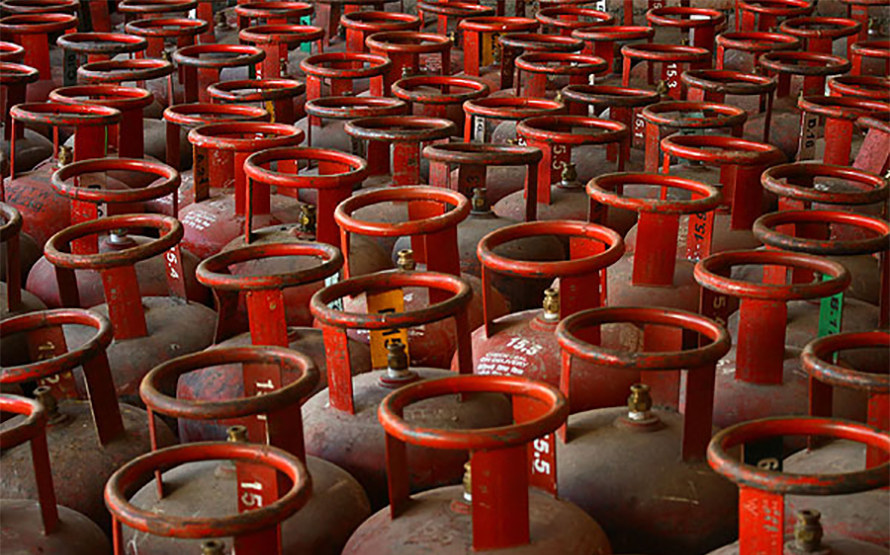
Nepal is confronting significant challenges in managing the supply of cooking gas (LPG) due to a severe lack of storage capacity, according to Krishna Bahadur Raut, the secretary of the Ministry of Industry, Commerce, and Supplies. During a meeting of the Industry, Commerce, Labour, and Consumer Welfare Committee on Wednesday, June 15th (31st Ashad), Raut informed the committee that neither the government nor the LPG industry possesses adequate storage facilities. The country has approximately 58 gas industries nationwide, but their combined storage capabilities are insufficient to meet demand or buffer against supply disruptions. This deficiency poses a substantial hurdle for ensuring a consistent and reliable supply of cooking gas to households across Nepal. The government is reportedly struggling to devise effective strategies to overcome this logistical bottleneck. The limited storage capacity makes the nation vulnerable to price fluctuations and potential shortages, particularly during peak demand periods. Addressing this infrastructure gap is crucial for national energy security and consumer welfare.
The reported lack of LPG storage infrastructure in Nepal highlights a critical vulnerability in the nation's energy supply chain. Insufficient storage capacity creates an inherent fragility, making the market susceptible to external shocks and potentially leading to price volatility and supply disruptions for consumers. This situation underscores the need for strategic investment in infrastructure development, balancing immediate supply needs with long-term resilience. Future energy policies should consider diversification and localized production or storage solutions to mitigate reliance on external factors and ensure greater energy independence. The government's challenge lies in fostering an environment that encourages both public and private sector investment in these essential storage facilities, potentially through incentives or public-private partnerships, to build a more robust and reliable energy system for the coming decade.
AI-generated to prompt reflection — not editorial opinion, not advice, not a statement of fact. How this works.