Nepal Government Shifts Away From Traditional Political Ceremonies
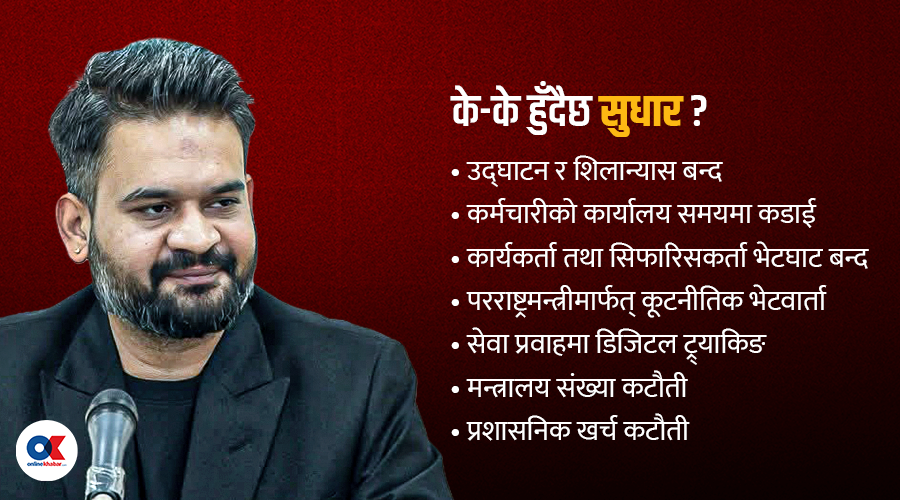
Prime Ministers and ministers in Nepal have historically been seen participating in traditional political practices such as inaugurations, foundation stone-laying ceremonies, ribbon cuttings, receiving garlands, and attending formal events. However, this practice appears to be changing. The traditional scene of crowds of party cadres gathering at Singha Durbar, the seat of the Nepali government, for such events is no longer evident. This shift suggests a move away from the previous emphasis on ceremonial activities that often characterized political engagements in the country. The government seems to be prioritizing a different approach to its public engagements, moving beyond the conventional symbolic gestures.
The observed shift away from traditional political ceremonies in Nepal, such as inaugurations and ribbon cuttings, may indicate a move towards prioritizing substantive governance over symbolic gestures. This change could be driven by a desire to enhance efficiency, reduce public expenditure on ceremonial events, or respond to public sentiment favoring results-oriented leadership. Such a transition, if sustained, could foster greater accountability and focus on policy implementation. Evaluating the long-term impact on public engagement and the perception of government effectiveness will be crucial in the coming years, especially as Nepal navigates its development trajectory.
AI-generated to prompt reflection — not editorial opinion, not advice, not a statement of fact. How this works.