Nepal Government Studies Supply Chain to Ensure Fair Goat Prices
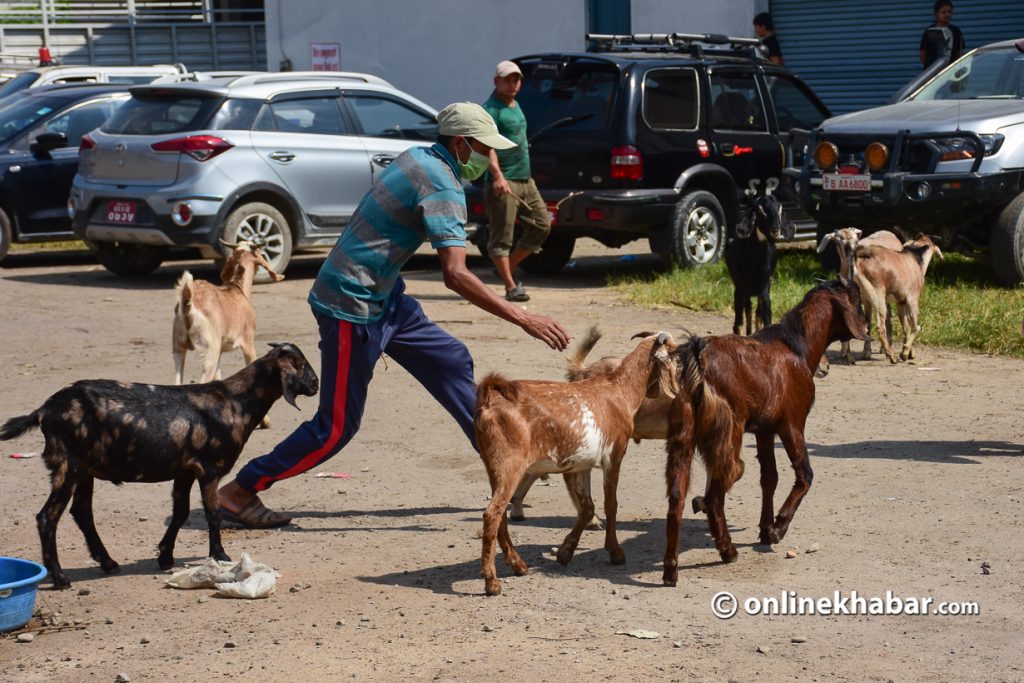
The Nepali government is undertaking a study of the goat supply chain to address issues of unfair pricing. Currently, farmers are reportedly forced to sell their goats at low prices, while consumers face high costs due to the involvement of intermediaries. This situation has led to growing complaints from both producers and buyers. The government's initiative aims to investigate the entire chain from production to market to identify bottlenecks and inefficiencies. The goal is to establish a system that ensures a fair price for farmers and makes goat meat more accessible and affordable for consumers. This study is expected to provide insights into how to streamline the process and reduce the impact of middlemen, ultimately benefiting the agricultural sector and the general public.
The Nepali government's focus on the goat supply chain highlights a common challenge in agricultural economies: the significant price disparity between producers and consumers often driven by market intermediaries. By studying the supply chain, the government seeks to identify structural inefficiencies and potentially implement policies to create a more equitable market. This approach, if successful, could enhance farmer incomes and consumer affordability, fostering greater economic stability in the agricultural sector. Future considerations might involve exploring direct farmer-to-consumer models or improved market infrastructure to further mitigate the influence of middlemen and adapt to evolving consumer demands in the coming decade.
AI-generated to prompt reflection — not editorial opinion, not advice, not a statement of fact. How this works.