Nepal Government Urges Price Reductions on Goods and Services Following Fuel Price Drop
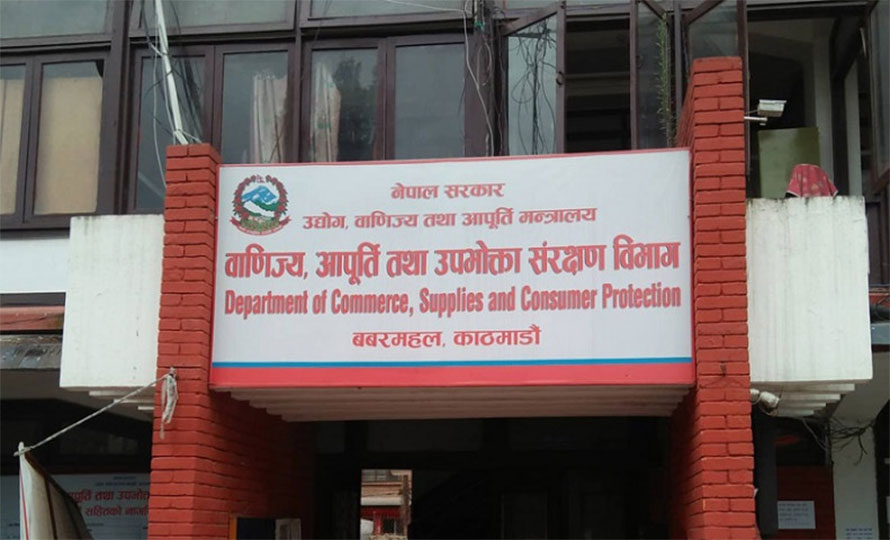
The Nepali government has called for a reduction in the prices of daily consumer goods and services, citing a significant decrease in fuel costs. The Department of Commerce, Supply, and Consumer Protection issued a notice urging all retailers, industrialists, and businesses to adjust their prices accordingly. This appeal aims to provide relief to the general public amidst changing economic conditions. The government's request comes as the situation in West Asia, which had previously caused market instability, begins to normalize. This normalization is expected to facilitate a decrease in transportation costs, a major component of the final price for many goods. The authorities are emphasizing the need for businesses to pass on these savings to consumers. The department is monitoring market activities to ensure compliance and prevent unfair trade practices. The government hopes that this measure will help stabilize the cost of living and boost consumer confidence. Further actions may be considered if market responses are not satisfactory.
The Nepali government's request to businesses to lower prices in response to decreased fuel costs highlights the interconnectedness of energy prices and the broader economy. This initiative reflects an attempt to manage inflation and improve consumer purchasing power, particularly for essential goods. However, the effectiveness of such appeals relies heavily on market dynamics and the willingness of businesses to absorb potential margin reductions. The government faces the challenge of ensuring that price adjustments are passed on equitably to consumers, rather than solely benefiting intermediaries. Future policy might need to consider more direct mechanisms to influence pricing if voluntary compliance proves insufficient, balancing market freedom with consumer protection objectives.
AI-generated to prompt reflection — not editorial opinion, not advice, not a statement of fact. How this works.