Nepal Health Ministry Orders Hospitals to Maintain Services Amid Doctor Protests
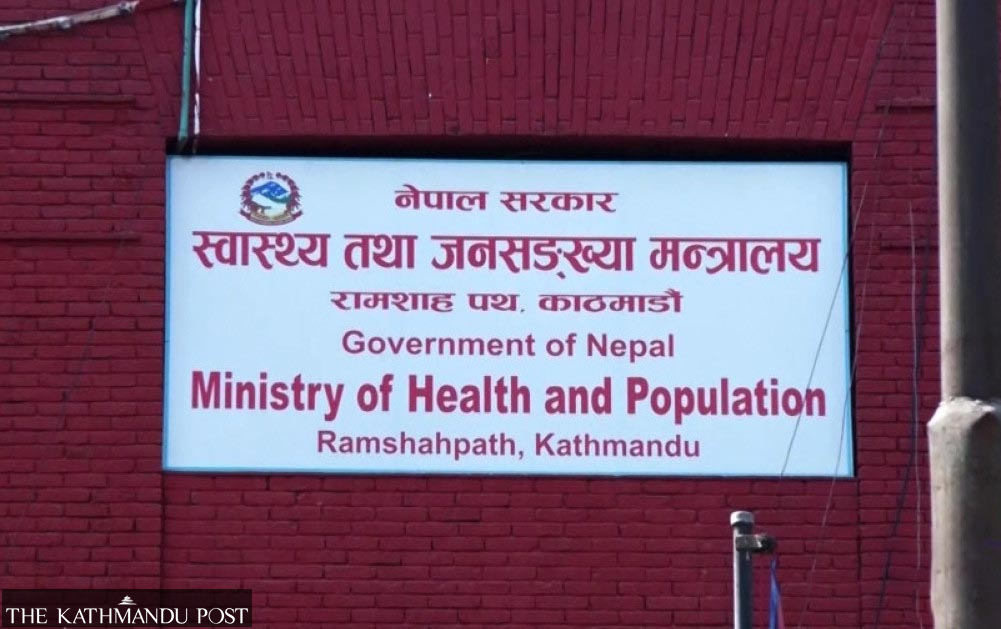
Nepal's Ministry of Health has issued a directive compelling hospitals to continue providing all services, despite a nationwide protest by doctors. The Nepal Medical Association (NMA) has suspended non-emergency services across the country. This action follows an attack on doctors at Narayani Hospital. The Ministry of Health stated that authorities are actively pursuing legal action against those responsible for the attack. The NMA's decision aims to pressure the government into ensuring the safety and security of medical professionals. The protest highlights growing concerns within the medical community regarding workplace violence and the need for adequate protection. The government's directive underscores the potential impact of such disruptions on public health services. The situation remains tense as the NMA awaits a satisfactory response and concrete actions from the authorities.
The conflict between medical professionals' safety demands and the public's right to healthcare access presents a complex governance challenge. While the Nepal Medical Association's protest seeks to address legitimate security concerns stemming from the Narayani Hospital attack, the Ministry of Health's directive prioritizes the continuity of essential public services. This situation highlights the inherent tension between advocating for worker rights and maintaining societal stability, particularly in critical sectors like healthcare. Future policy considerations might involve establishing robust legal frameworks and enforcement mechanisms to protect healthcare workers, thereby mitigating the need for service disruptions and ensuring uninterrupted patient care. The long-term implications for public trust and the healthcare system's resilience will depend on how effectively these systemic issues are addressed.
AI-generated to prompt reflection — not editorial opinion, not advice, not a statement of fact. How this works.