Nepal Honors 13 Municipalities, 6 Institutions, and 7 Entrepreneurs for Child Labor Eradication
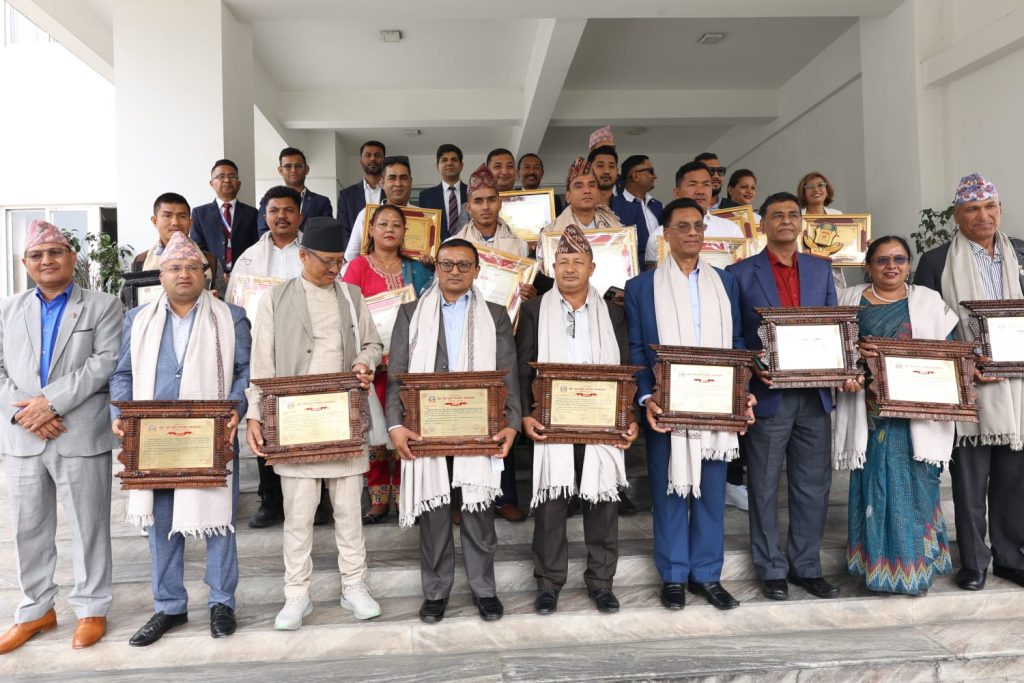
The Nepali government has recognized 13 local municipalities, 6 industrial establishments, and 7 entrepreneurs for their significant contributions to eradicating child labor, promoting safe workplaces, and fostering domestic entrepreneurship. The awards were presented by the Ministry of Youth, Labor, and Employment during a ceremony held on Thursday, June 20, 2024. The honored municipalities were specifically recognized for declaring themselves child labor-free. The industrial establishments were lauded for their excellent work in occupational safety and health (OSH). The event highlighted the government's commitment to creating a safer and more equitable labor environment for all citizens, particularly young people. This initiative aims to encourage further progress in these critical areas and serve as a model for other regions within Nepal. The recognition underscores the importance of collaborative efforts between local governments, businesses, and individuals in achieving national development goals related to labor rights and economic growth.
The Nepali government's recognition of municipalities, institutions, and entrepreneurs for child labor eradication and workplace safety reflects a strategic focus on improving labor conditions and fostering domestic economic development. By publicly acknowledging these entities, the government incentivizes adherence to labor standards and encourages a competitive environment for social responsibility. This approach, however, needs to be continuously monitored to ensure that declarations of 'child labor-free' status are substantiated by ongoing, verifiable practices, preventing a mere symbolic gesture. In the context of Nepal's evolving economy and the global push towards sustainable development goals, such initiatives are crucial for building a resilient workforce and attracting responsible investment. The long-term success will depend on sustained policy support, robust enforcement mechanisms, and the integration of these principles into broader economic planning for the next decade.
AI-generated to prompt reflection — not editorial opinion, not advice, not a statement of fact. How this works.